Craniosacral Therapy

Craniosacral therapy is a gentle, light-touch technique that works with the membranes and fluid surrounding the brain and spinal cord to help release restrictions affecting the nervous system. At Body Heal, it is used as a precise clinical tool for clients with chronic pain, headaches, TMJ dysfunction, nervous system dysregulation, or conditions that respond better to a lighter, more integrative approach.

Craniosacral Therapy

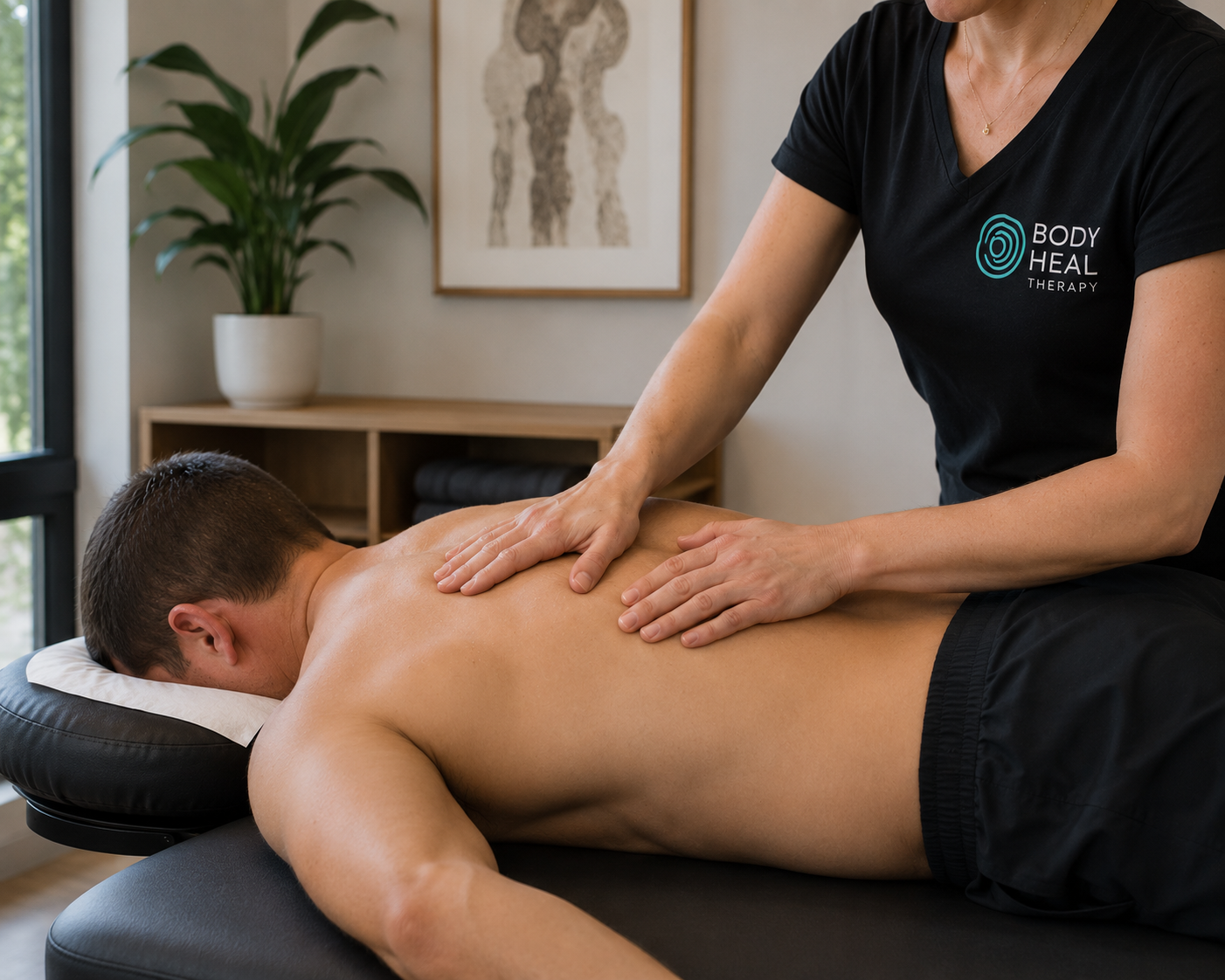
Craniosacral therapy is a gentle, light-touch technique that works with the craniosacral system — the membranes and cerebrospinal fluid that surround and protect the brain and spinal cord. Developed by osteopath Dr. John Upledger, CST uses extremely light pressure — typically no more than the weight of a nickel — to evaluate and release restrictions in the craniosacral system that may be affecting the central nervous system and the broader patterns of tension held throughout the body. Despite its gentle nature, craniosacral therapy can produce profound effects — particularly for clients dealing with chronic pain, nervous system dysregulation, headaches, TMJ dysfunction, and conditions that have not responded well to more direct manual approaches. At Body Heal, we use it as a precise clinical tool when the presentation calls for nervous system support and a lighter, more integrative touch.

How Craniosacral Therapy Works

The craniosacral system has a subtle, rhythmic motion — distinct from breathing and heart rate — that can be felt by a trained therapist. By gently monitoring this rhythm at key points along the skull, spine, and sacrum, the therapist identifies areas of restriction or asymmetry that indicate dysfunction. Light, sustained holds are then applied to facilitate a release — allowing the central nervous system to settle, restrictions to resolve, and the body’s inherent self-correcting capacity to engage.

Relieves Headaches, Migraines, and Head Pressure

Many chronic headaches and migraines have a craniosacral component — restrictions in the cranial bones, dural membranes, or cervical soft tissue that create pressure and disrupt normal nervous system function. CST addresses these restrictions directly, often producing significant relief for clients whose headaches have not responded to other treatment approaches.

Supports TMJ and Jaw-Related Dysfunction

The temporomandibular joint and the surrounding cranial structures are intimately connected within the craniosacral system. CST is one of the most effective manual approaches for TMJ dysfunction, jaw tension, facial pain, and the headaches and neck tension that commonly accompany them — working at the level of the tissue and nervous system simultaneously.

Regulates the Nervous System

Craniosacral therapy works directly with the central nervous system, helping to shift the body out of a chronic stress or fight-or-flight state and into a parasympathetic rest-and-recover state. For clients whose nervous systems are stuck in a pattern of hypervigilance — whether from chronic pain, trauma, or accumulated stress — this regulatory effect can be one of the most meaningful outcomes of the work.

Addresses Chronic Pain and Complex Presentations

For clients dealing with fibromyalgia, chronic fatigue, complex regional pain, or conditions that involve the central nervous system as part of the pain picture, craniosacral therapy offers an approach that works at a different level than structural manual therapy — addressing the neurological environment in which pain lives, not just the tissue where it is felt.

Who Is Craniosacral Therapy For?

Craniosacral therapy is particularly well suited for clients dealing with chronic headaches and migraines, TMJ dysfunction and jaw tension, neck pain, nervous system dysregulation, and complex or sensitive pain presentations that have not responded well to deeper manual work. It is also a strong fit for clients recovering from head, neck, or spinal injuries — including concussions — and for those managing stress-related conditions where the nervous system is a central part of the picture. Because the technique is extremely gentle, CST is an excellent option for clients who cannot tolerate pressure-based work, those in acute recovery, and those who feel that their body needs support at a more foundational level. At Body Heal, craniosacral therapy is integrated within Bodywork sessions when nervous system support and a lighter integrative approach are indicated by the clinical picture.

Our Related Techniques

❓ Frequently Asked Questions

Craniosacral therapy is a gentle, hands on approach that supports the nervous system and helps release subtle patterns of tension. The contact is light and attentive, often focused around the head, spine, and sacrum. It can be a helpful addition when stress, headaches, or a highly guarded system are part of the picture.

Most people describe it as deeply calming. You may notice breath changes, a sense of settling, or gradual release without strong pressure. It is normal to feel very relaxed afterward.

It can be great for clients who feel chronically stressed, wired, or sensitive to deeper pressure. It is also commonly used when headaches, jaw tension, or nervous system regulation is a priority. We can integrate it within Bodywork based on your goals.

We keep it grounded and practical. The focus is on supporting the nervous system and tissue ease, not on beliefs or trends. You stay in control and we explain what we are doing.

Yes. We often blend it with more direct work when that combination helps the body hold change better. Your session is always tailored to what your system responds to.