Prenatal / Pregnancy Massage

Prenatal massage is therapeutic bodywork designed to support the body through the structural and physical changes of pregnancy. At Body Heal, it is delivered as safe, clinically attentive care tailored to each trimester, helping reduce pregnancy-related discomfort and support day-to-day comfort for the mother.

What is Prenatal / Pregnancy Massage

Prenatal massage is therapeutic bodywork specifically designed to support the body through the physical demands and changes of pregnancy. Pregnancy is one of the most significant structural and physiological experiences the body undergoes — the center of gravity shifts, the ligaments soften, the postural demands change week by week, and the accumulation of weight and altered mechanics creates patterns of tension and discomfort that are both predictable and highly responsive to skilled manual therapy. At Body Heal, prenatal massage is not a generic relaxation session with a pillow under the belly — it is informed, clinically attentive work that understands the specific needs, contraindications, and comfort requirements of each trimester. Our therapists are trained to work safely and effectively throughout pregnancy, supporting the mother’s comfort, reducing common pregnancy-related discomforts, and providing the kind of therapeutic relief that makes a meaningful difference in how pregnancy is experienced day to day.

How Prenatal Massage Works

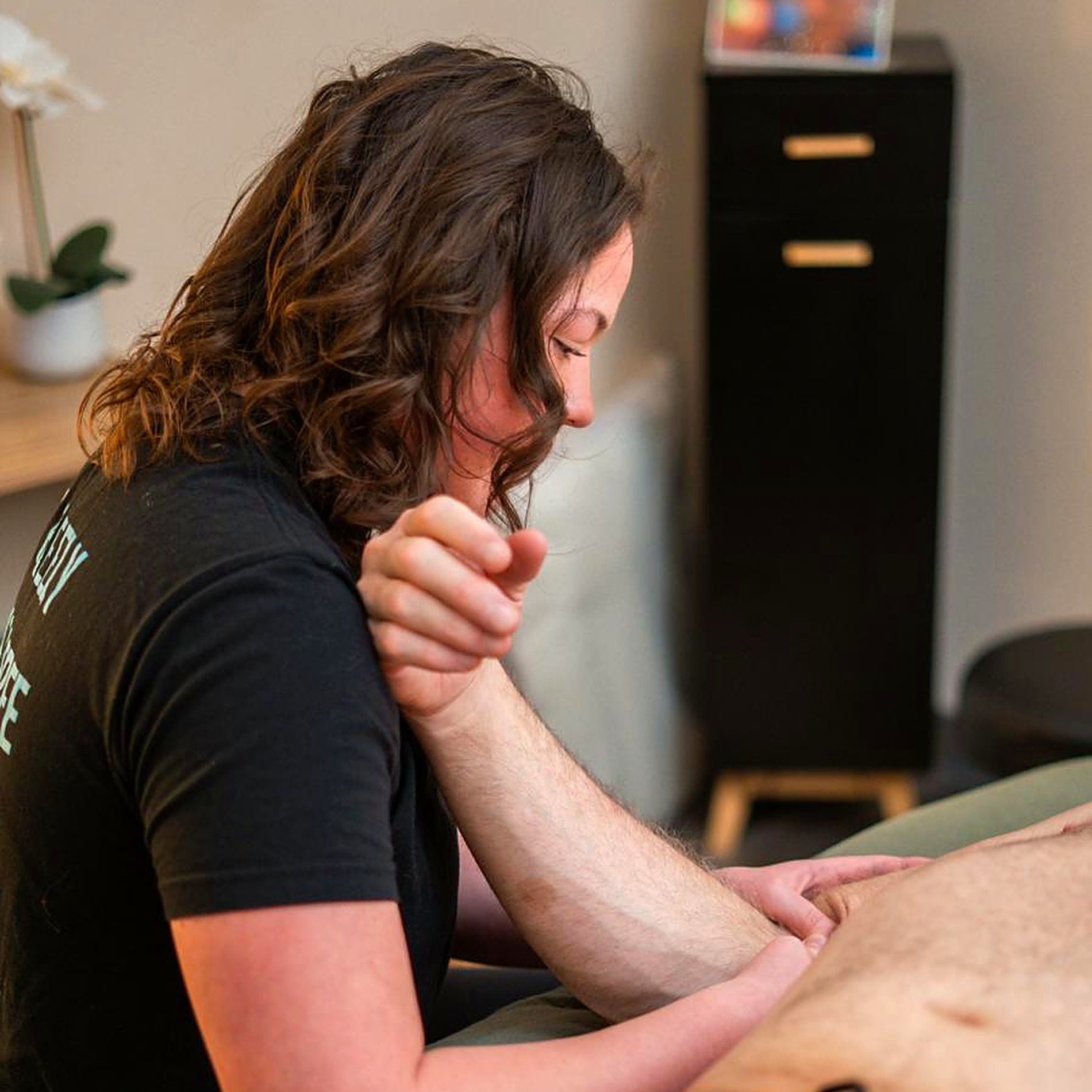
Prenatal massage is typically performed in a side-lying position supported by specialized bolstering — allowing the therapist full access to the back, hips, and legs while keeping the client and baby comfortable and safe. Techniques are adapted to the trimester, the client’s presentation, and any specific discomforts or concerns. Pressure, positioning, and focus areas shift as the pregnancy progresses — early sessions may address nausea-related tension and postural adjustment, while later sessions focus more on low back and hip relief, sciatic patterns, and the accumulated strain of carrying additional weight. Every session begins with a check-in about how the pregnancy is progressing and what the body needs that day.

Relieves the Most Common Pregnancy Discomforts

Low back pain, hip and sacroiliac tension, sciatic symptoms, neck and shoulder strain from postural changes, leg cramps, and swelling in the lower extremities are among the most consistent physical complaints of pregnancy — and all of them respond well to skilled manual therapy. Prenatal massage addresses these discomforts directly and specifically, providing relief that is both immediate and cumulative across the course of the pregnancy.

Supports Postural Adaptation Through Each Trimester

The postural demands of pregnancy change significantly across the three trimesters — and the muscles, fascia, and joints of the back, pelvis, and hips adapt continuously to those changes. Prenatal massage supports that adaptation by releasing the tension that accumulates as the body adjusts, maintaining tissue mobility and joint comfort through each stage, and helping the body manage the structural demands of a growing pregnancy as efficiently and comfortably as possible.

Reduces Stress and Supports Emotional Wellbeing

Pregnancy brings significant emotional alongside physical demands — and the relationship between stress, nervous system activation, and physical tension is especially relevant during this period. Regular prenatal massage reduces cortisol levels, supports the parasympathetic nervous system, and provides the kind of attentive, nurturing physical care that supports emotional wellbeing alongside physical comfort. Research consistently shows that regular massage during pregnancy is associated with reduced anxiety, improved mood, and better sleep — all of which benefit both mother and baby.

Prepares the Body for Labor and Recovery

Regular prenatal massage in the third trimester helps prepare the body for the physical demands of labor — maintaining tissue mobility in the hips, pelvis, and low back, supporting the nervous system's capacity to manage intensity, and keeping the mother as physically comfortable and well-supported as possible going into delivery. The body that has been well cared for throughout pregnancy is better positioned to navigate labor and begin postpartum recovery from a place of relative ease rather than accumulated strain.

Who Is Prenatal Massage For?

Prenatal massage is appropriate for pregnant clients in any trimester who have received clearance from their obstetrician or midwife and are experiencing a low-risk pregnancy. It is particularly valuable for clients dealing with low back and hip pain, sciatic symptoms, pelvic girdle pain, upper back and neck tension from postural changes, headaches, leg cramps, and general fatigue and discomfort. It is also a strong fit for active clients who want to continue supporting their body through physical care during pregnancy, and for first-time mothers who are navigating the physical demands of pregnancy for the first time and want skilled, attentive support throughout the process. At Body Heal, prenatal massage is always preceded by a thorough intake that includes review of pregnancy history, trimester, physician clearance, and any specific concerns or contraindications — the safety and comfort of both mother and baby is the foundation of everything we do in these sessions.

Our Related Techniques

❓ Frequently Asked Questions

Prenatal massage is appropriate for low risk pregnancies with clearance from your obstetrician or midwife. We tailor positioning, pressure, and focus areas to your trimester and comfort. Every session starts with an intake so we know what your body needs and what to avoid.

Prenatal massage is typically done side lying with supportive bolstering so you and baby are comfortable and safe. We focus on the areas that tend to work hardest in pregnancy, often low back, hips, glutes, legs, and upper back, depending on your symptoms.

Many clients book for low back and hip tension, sciatic like symptoms, neck and shoulder strain from postural changes, leg cramps, and swelling in the lower extremities. We keep the work practical and supportive so you feel better day to day, not just during the session.

Yes, with clearance and a low risk pregnancy, prenatal massage can be helpful in any trimester. The focus often shifts as pregnancy progresses, with later sessions usually prioritizing low back, hip, and accumulated load patterns.

Sixty minutes is great for focused relief in one to two priority areas. Ninety minutes is ideal if you want more complete full body support and more time for hips, low back, legs, and upper back together. We can help you choose based on what is bothering you most.