Restorative Sports Massage

Restorative sports massage is a deeper, therapeutically focused recovery session for athletes and active individuals dealing with chronic tension, restriction, or overuse patterns. At Body Heal, it uses clinical soft tissue techniques to address deeper accumulated strain, improve movement quality, and help the body return to training from a more fully restored foundation.

What is Restorative Sports Massage

Restorative sports massage is a deeper, more therapeutically focused recovery session designed for the athlete or active individual whose body needs more than a standard flush — one whose tissue has accumulated significant restriction, chronic tension, or overuse patterns that routine recovery work is no longer fully addressing. Where post-event and recovery massage work broadly to support the body’s return to baseline, restorative massage goes further — using clinical soft tissue techniques to address the specific restrictions, trigger points, and compensation patterns that have built up over a training cycle and are beginning to affect performance, movement quality, or comfort. This is the session that resets not just how the body feels but how it moves — clearing the deeper layers of accumulated strain so the athlete can continue training from a genuinely restored foundation rather than a managed one.

How Restorative Sports Massage Works

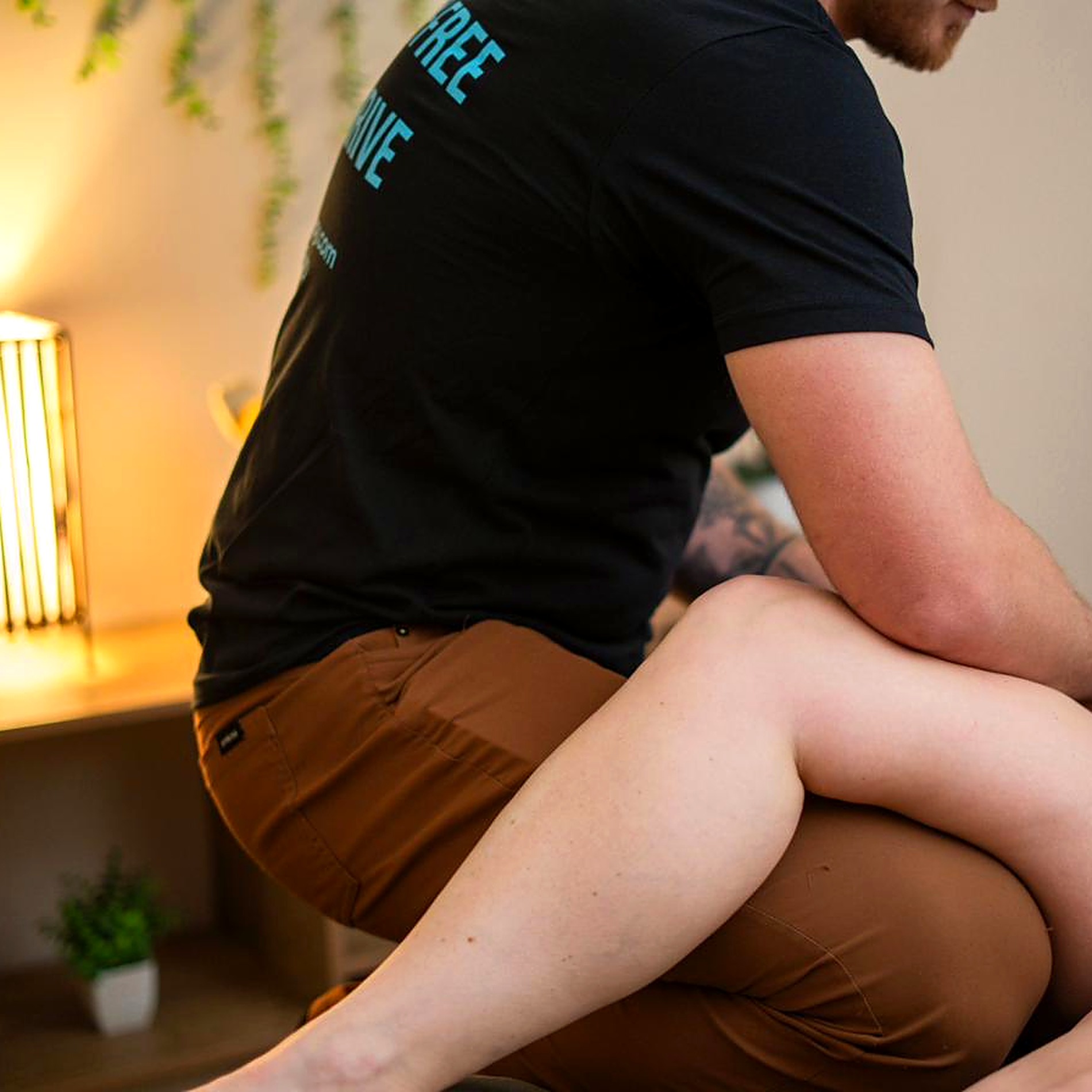
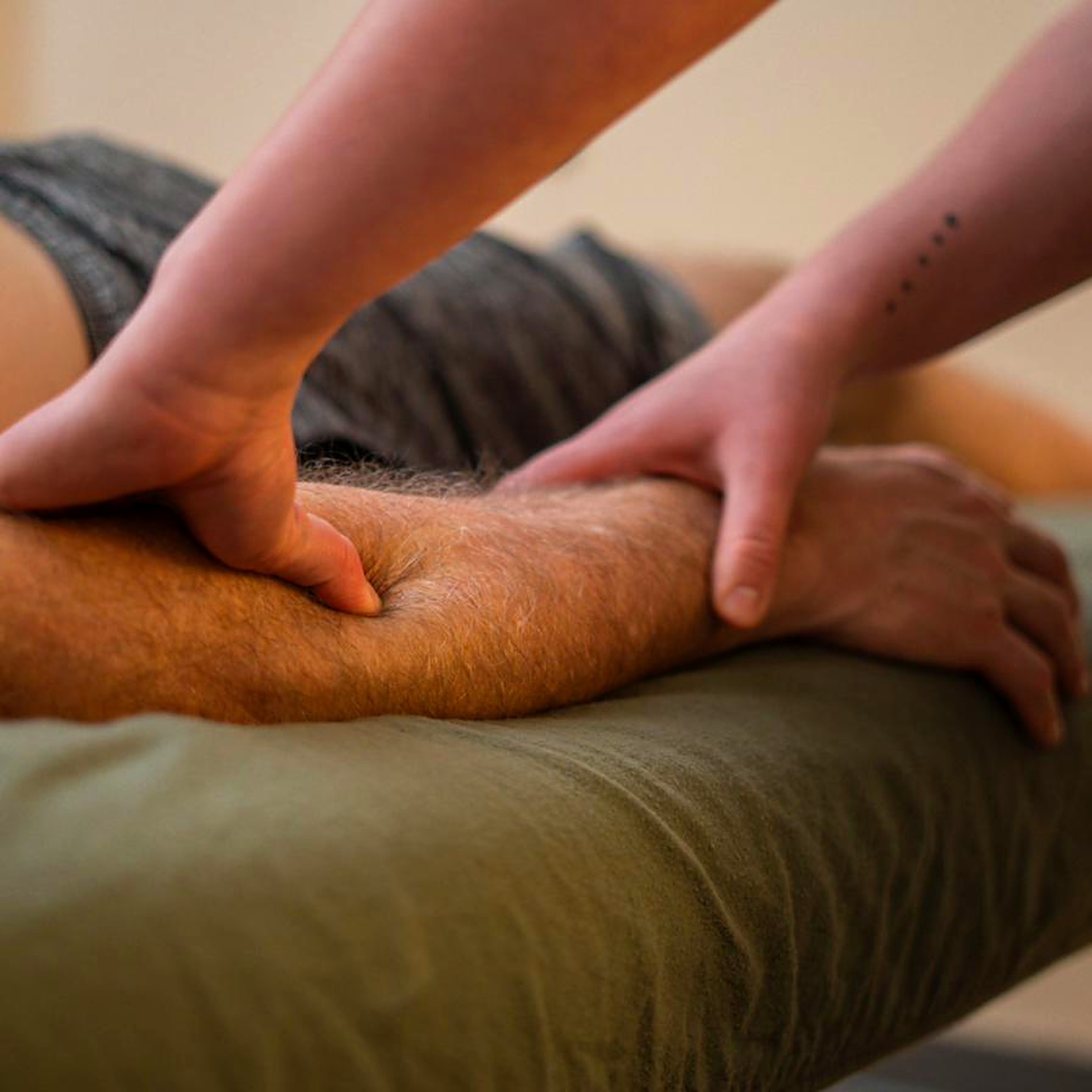
Restorative sessions are longer and more targeted than standard recovery massage — typically 60 to 90 minutes — and begin with a brief assessment of what has accumulated since the last restorative session. The work blends sports massage techniques with clinical modalities including trigger point therapy, myofascial release, neuromuscular work, and assisted stretching, sequenced to address both the broad recovery needs of the body and the specific restrictions that have developed in the tissue most loaded by training. The session ends with the athlete feeling genuinely lighter, freer, and more mobile — not just temporarily loosened.

Clears Deep Accumulated Restriction

Standard recovery massage works at the surface level of accumulated fatigue — flushing waste and reducing soreness. Restorative massage goes deeper, addressing the myofascial restrictions, trigger points, and tissue densification that build up over weeks and months of training and don't fully resolve with lighter recovery work alone. This deeper clearing is what allows the body to genuinely reset rather than simply manage the load it is carrying.

Addresses Overuse Patterns Before They Become Injuries

Overuse injuries develop gradually — through tissue changes that accumulate across a training cycle and eventually cross a threshold into pain and dysfunction. Restorative massage is specifically designed to catch and address those patterns in the accumulation phase, before they reach the threshold. For athletes in long training blocks, scheduling regular restorative sessions is one of the most effective injury prevention strategies available.

Restores Movement Quality Alongside Tissue Health

As tissue accumulates restriction and tension across a training cycle, movement quality degrades — stride mechanics shorten, rotation decreases, range of motion narrows, and the body begins to move around its restrictions rather than through them. Restorative massage addresses both the tissue and the movement patterns that have developed around it, restoring the quality of movement that efficient, injury-resistant athletic performance requires.

Supports Training Longevity and Seasonal Resilience

The athletes who perform consistently across long seasons and multiple training years are not necessarily the most gifted — they are the ones who manage their body's accumulated load most intelligently. Restorative massage is one of the key tools in that management strategy, providing the deeper periodic reset that keeps the body resilient, responsive, and capable of continuing to absorb and adapt to training demands across a full career of athletic activity.

Who Is Restorative Sports Massage For?

Restorative sports massage is appropriate for athletes and active individuals who are deep into a training cycle and feeling the accumulated weight of consistent physical demand — tissue that feels denser, movement that feels more restricted, and a body that is no longer fully recovering between sessions despite good sleep, nutrition, and standard recovery practices. It is particularly valuable for endurance athletes in high-volume training blocks — marathon runners, Ironman triathletes, and cyclists logging significant weekly mileage; strength and team sport athletes in the middle of a demanding competitive season; active adults whose training consistency has created patterns of restriction that lighter recovery work is no longer fully clearing; and any athlete who has noticed that their movement quality, flexibility, or tissue responsiveness has declined over the course of a training block. At Body Heal, restorative sports massage is scheduled strategically within the training cycle — typically every three to six weeks during heavy training periods — to provide the deeper reset that keeps the body performing at its best across the full arc of the season.

Our Related Techniques

❓ Frequently Asked Questions

Restorative sports massage is a deeper recovery session for bodies carrying accumulated restriction from a training block or busy season. It goes beyond a basic flush by addressing the specific tight patterns and trigger points that are starting to affect movement quality. The aim is a true reset that holds.

It is ideal when you feel like lighter recovery work is no longer enough. If you feel dense, restricted, or like your range of motion keeps shrinking, this is a strong fit. It is also great every few weeks during heavy training cycles.

It can, especially if the tissue has been holding a lot. We pace the session to keep soreness productive and manageable. Tell us if you have hard training coming up so we can plan the intensity.

Sixty minutes can work if you want a focused reset in key regions. Ninety minutes is best if you want both deep clearing and enough time for the work to integrate across the body. If you have multiple trouble spots, choose 90.

Structural Integration is a whole body approach that focuses on how your body organizes around gravity, posture, and movement patterns. The goal is not just temporary relief, but a measurable shift in alignment, movement efficiency, and the patterns that keep pulling you back into discomfort.