
TMJ massage is targeted soft tissue therapy for the temporomandibular joint and the complex of muscles, fascia, and connective tissue that surround it. The temporomandibular joint is one of the most used joints in the body — involved in every bite, word, and expression — and when it becomes dysfunctional, the effects ripple outward into the jaw, face, head, neck, and shoulders. TMJ dysfunction is notoriously undertreated because it sits at the intersection of dentistry, neurology, and manual therapy, and most practitioners only address one piece of the picture. At Body Heal, TMJ massage addresses the soft tissue component directly and comprehensively — releasing the muscular and fascial restrictions that drive jaw pain, clicking, locking, and the headaches and neck tension that so often accompany them.
The clicking, popping, and locking associated with TMJ dysfunction are symptoms of muscular imbalance and joint compression — the muscles that control jaw movement are pulling unevenly, creating asymmetrical loading on the joint. By releasing those muscular restrictions and restoring balance to the tissue, TMJ massage addresses the mechanical drivers of those symptoms directly.
Many chronic headaches — particularly those felt at the temples, behind the eyes, and along the jaw and cheekbone — originate in the muscles of mastication and the surrounding fascial structures. The masseter, temporalis, and pterygoid muscles are among the most commonly overlooked drivers of headache pain, and targeted work on these structures frequently produces significant relief for clients whose headaches have not responded to other treatment.
The jaw and the neck are intimately connected through shared musculature, fascia, and neurological pathways. Chronic jaw tension almost always creates compensatory holding patterns in the suboccipital muscles, cervical spine, and upper trapezius — and those neck and shoulder patterns often persist until the jaw component is addressed. TMJ massage treats the full picture, not just the joint in isolation.
Bruxism — clenching and grinding, often during sleep — is one of the primary drivers of TMJ dysfunction and the muscular overload that accompanies it. The muscles involved work harder than they are designed to, accumulating tension, developing trigger points, and eventually producing pain, restriction, and joint dysfunction. TMJ massage releases that accumulated muscular load and gives the tissue a chance to recover — reducing the downstream effects of bruxism even when the grinding itself continues.
TMJ massage is a strong fit for anyone experiencing jaw pain, clicking or popping in the joint, limited jaw opening, facial pain, chronic headaches at the temples or behind the eyes, neck tension that keeps returning, or ear pain and fullness with no identified ear condition. It is particularly well suited for clients who clench or grind their teeth, those who wear a night guard and are still symptomatic, and those whose dentist or oral surgeon has identified TMJ dysfunction and recommended soft tissue work as part of their management plan. It is also highly effective for clients whose headaches and neck tension have not fully resolved with cervical-focused massage — the jaw is frequently the missing piece. At Body Heal, TMJ massage is offered as a focused technique within a Bodywork session and is always approached with clear communication, full client consent for any intraoral work, and sensitivity to the complexity of this presentation.
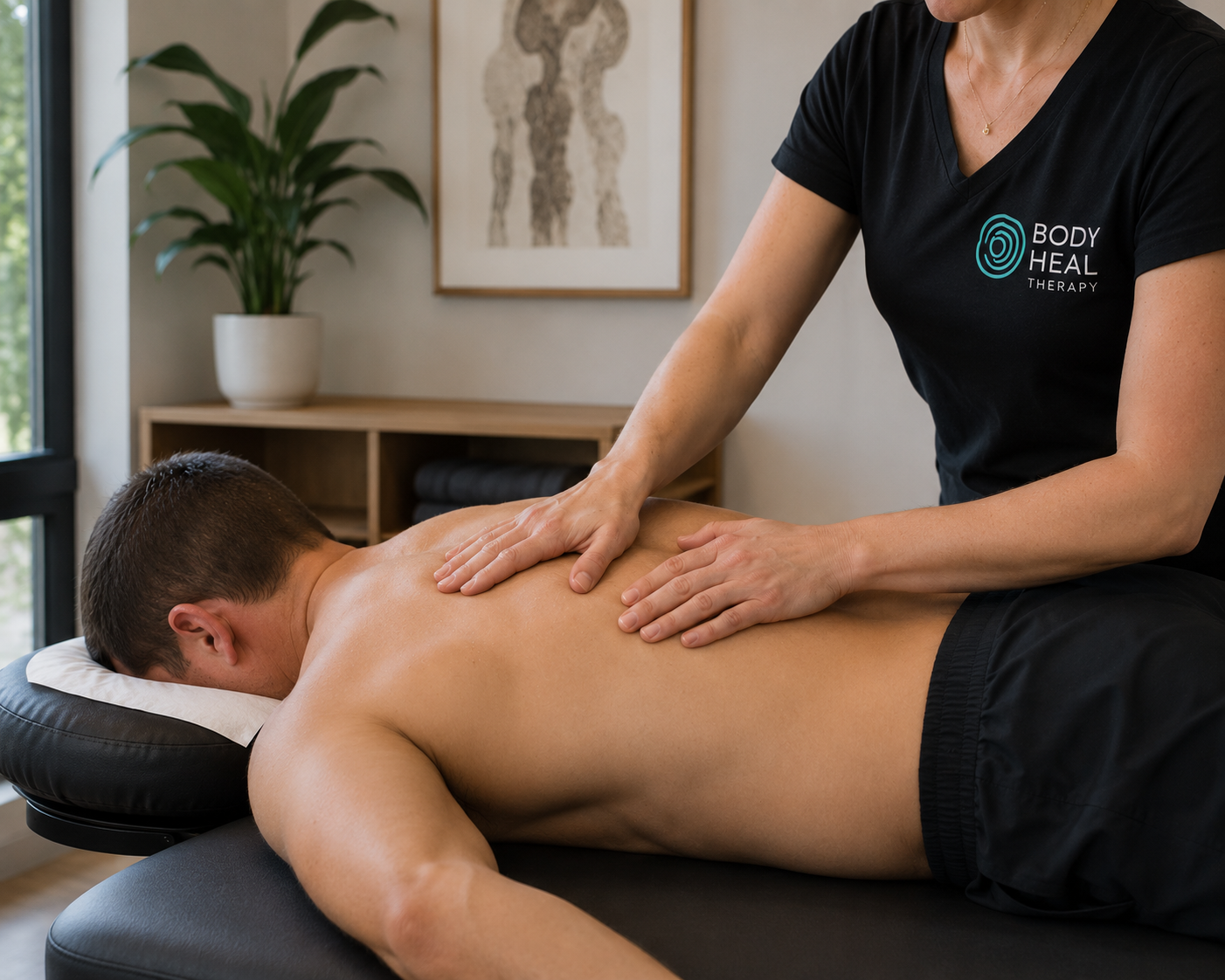
Chronic pain is not simply pain that has lasted a long time — it is a complex condition that involves changes in the nervous system, soft tissue, and movement patterns that standard approaches often fail to fully address. Chronic pain massage at Body Heal is not a generic relaxation session applied to a painful body. It is a clinically informed, assessment-driven approach that treats the whole picture — the tissue restrictions, the neuromuscular patterns, the compensations, and the nervous system sensitization that together keep the pain cycle alive. For clients who have been managing pain for months or years and feel like they have exhausted their options, this work offers a different path forward.
Cupping therapy is a soft tissue technique that uses suction — rather than pressure — to lift and decompress the layers of muscle, fascia, and connective tissue. While most manual therapy works by pushing down into tissue, cupping works in the opposite direction, creating a negative pressure environment that draws the tissue upward. This decompression increases circulation, loosens restrictions, and gives the therapist access to layers of tissue that are difficult to reach through compression alone. At Body Heal, we use cupping as a clinical tool — integrated into sessions where the tissue presentation calls for it, not as a stand-alone trend.

Instrument-Assisted Soft Tissue Mobilization — commonly known as IASTM, the Graston Technique, Gua Sha, or scraping — is a manual therapy approach that uses specially designed tools to detect and treat restrictions in the soft tissue and fascia. Where hands alone can miss subtle changes in tissue texture and density, the instruments amplify the therapist’s ability to feel adhesions, scar tissue, and fascial restrictions — and then address them with precise, targeted strokes.
The technique has deep roots in traditional Chinese medicine through Gua Sha and has been widely adopted in modern clinical and sports rehab settings under names like Graston and IASTM. At Body Heal, we use it as a clinical tool when the tissue presentation calls for it — particularly in cases of scar tissue, chronic restriction, and stubborn overuse injuries.
Headaches and migraines are among the most common and most undertreated pain conditions — and soft tissue dysfunction is one of the most frequently overlooked drivers of both. Trigger points in the muscles of the head, neck, and jaw refer pain in patterns that precisely mimic tension headaches, migraines, and cluster headaches. Fascial restrictions in the cervical spine and cranial structures create pressure that feeds directly into headache cycles. And a nervous system stuck in chronic activation amplifies everything. Headache and migraine relief massage at Body Heal addresses all of these components — working through the soft tissue, fascial, and neurological layers that contribute to your headache pattern with precision and clinical intention. For clients whose headaches keep coming back regardless of medication or other treatment, this work addresses the structural and neuromuscular picture that is often driving them.
Injury rehabilitation massage is targeted manual therapy designed to support the body through the recovery process — from the early stages of healing through the restoration of full function and movement. Whether you are recovering from a sports injury, a workplace accident, a motor vehicle accident, or a surgical procedure, the soft tissue surrounding and involved in the injury requires skilled, progressive work to heal completely. Standard rest and physical therapy address much of the recovery process, but the muscular, fascial, and connective tissue patterns that develop around an injury — guarding, compensation, scar tissue, and restricted movement — often need direct manual intervention to fully resolve. At Body Heal, rehabilitation massage bridges that gap, working alongside your existing care team to support complete and lasting recovery.
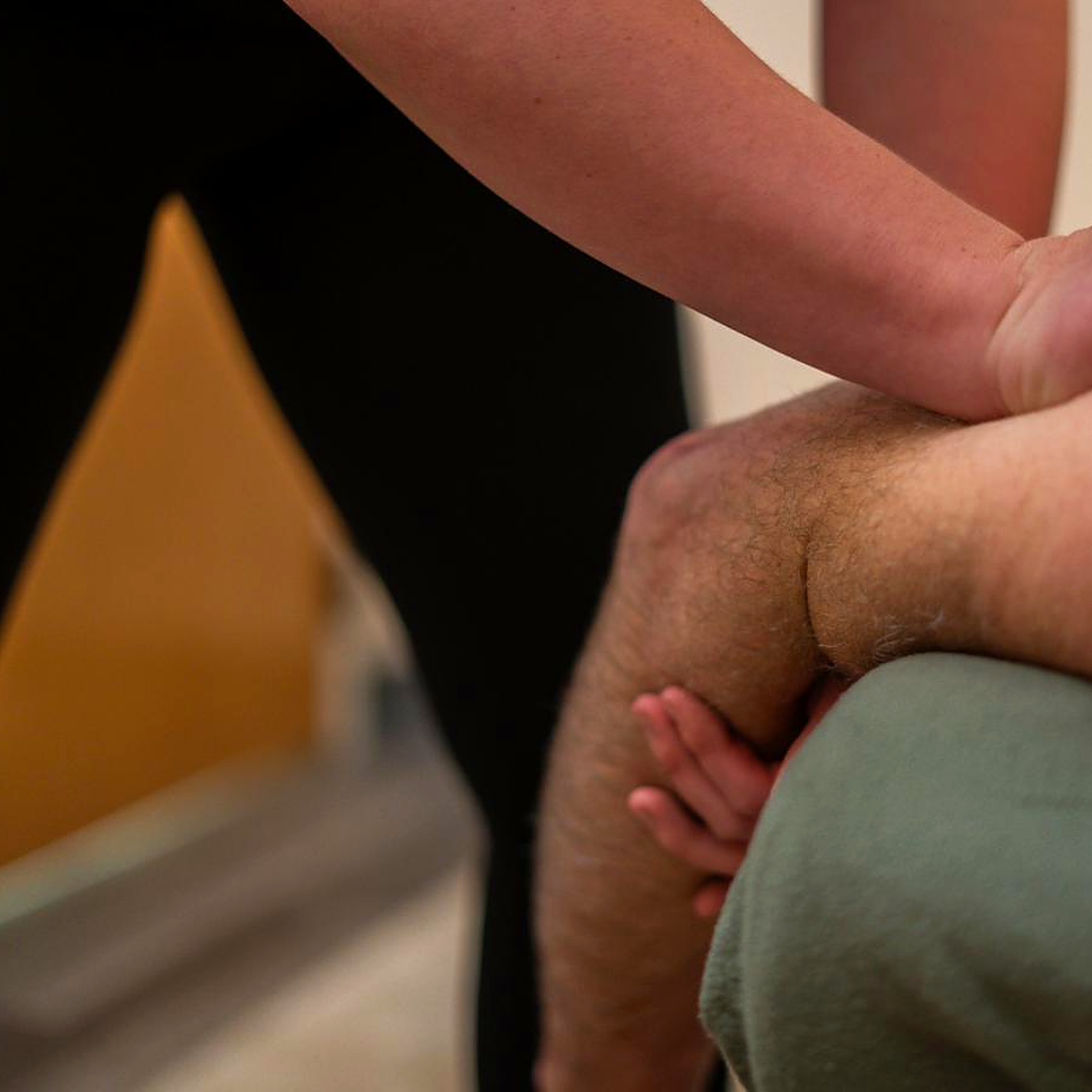
Medical massage is outcome-based soft tissue therapy directed at a specific clinical condition, diagnosis, or symptom pattern. Where general massage is defined by what the therapist does, medical massage is defined by what it is designed to achieve — measurable, documented improvement in a condition that has been identified through assessment or physician referral. At Body Heal, medical massage reflects the highest level of clinical intention in our practice. Sessions are structured around a clear treatment goal, informed by your health history and any existing diagnosis, and progressed systematically based on your response. This is the work we do when there is a specific clinical picture to address — and when results need to be trackable, not just felt.
Fascial unwinding is a gentle, movement-based manual therapy technique that works with the body’s own intelligence to release deep patterns of tension held within the fascial system. Unlike techniques that apply force to specific restrictions, fascial unwinding follows the body — the therapist provides support and light guidance while the tissue itself leads the release, moving through the positions and patterns it needs to unwind the restriction at its source. Fascia holds the memory of injury, trauma, habitual posture, and accumulated strain — and those holding patterns are often layered and complex in ways that direct pressure alone cannot fully address. Fascial unwinding accesses those deeper layers by working with the body’s inherent self-correcting capacity rather than imposing change from the outside. At Body Heal, it is used within the Structural Integration series and clinical Bodywork sessions when the tissue presentation calls for a responsive, whole-system approach rather than a targeted local one.
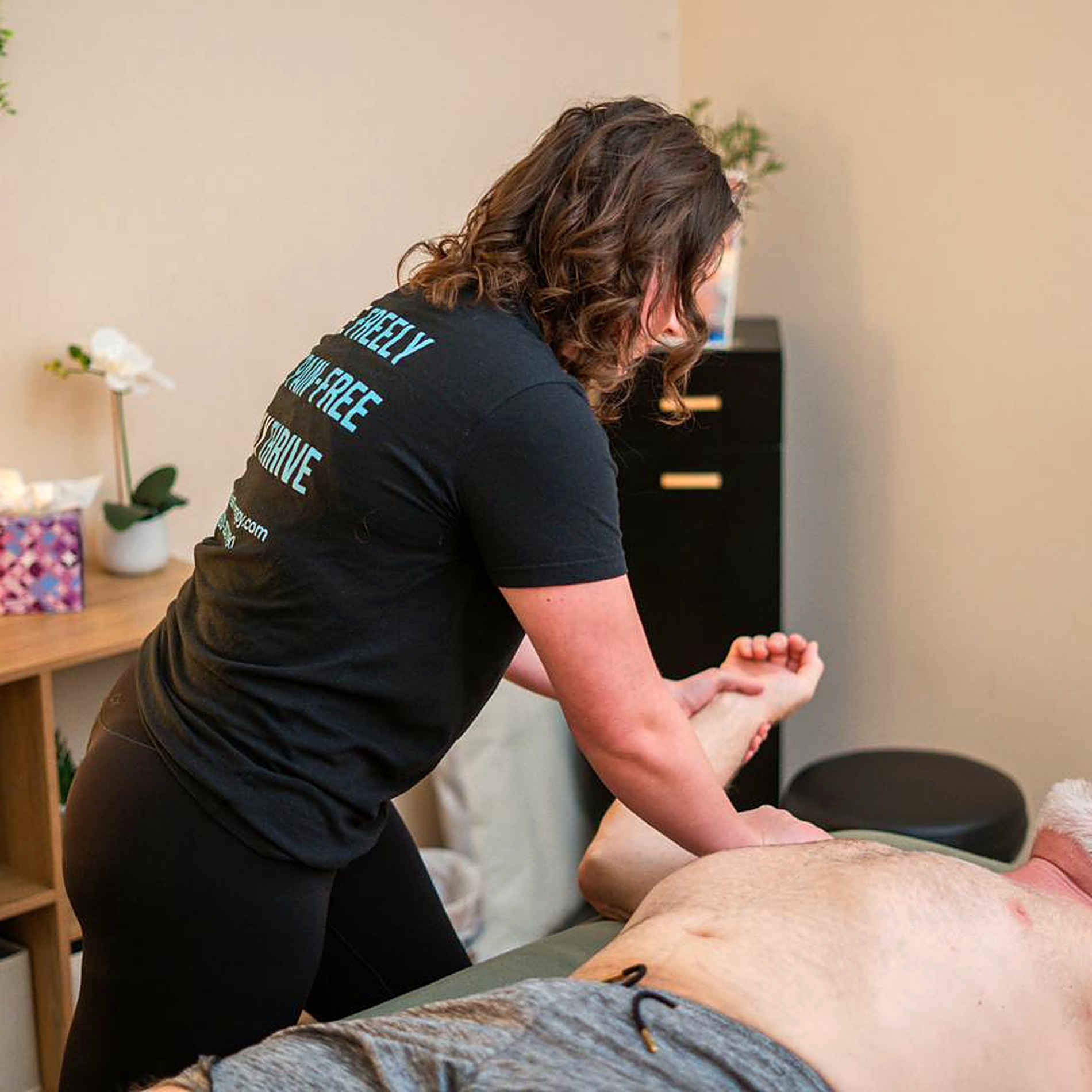
Muscle Energy Technique is a precise, active manual therapy method that uses the client’s own controlled muscle contractions to release restriction, restore joint mobility, and correct structural imbalances. Developed within the osteopathic tradition, MET works at the intersection of the muscular and skeletal systems — using specific positions, controlled effort, and post-contraction relaxation to achieve changes in tissue length, joint alignment, and neuromuscular coordination that passive techniques cannot replicate. Unlike stretching or direct manipulation, MET engages the client as an active participant in the release — the therapist positions and guides, but it is the client’s own muscular effort that drives the change. This active engagement is what makes MET both highly precise and exceptionally effective for restrictions that have a strong neuromuscular component. At Body Heal, MET is used within the Structural Integration series and clinical Bodywork sessions as a targeted tool for joint restriction, muscle imbalance, and movement limitation.

Myofascial release is a hands-on technique that targets the fascia — the connective tissue network that surrounds and runs through every muscle, organ, and structure in your body. When fascia becomes restricted through injury, repetitive strain, poor posture, or stress, it can create tension, pain, and limited movement that doesn’t respond to standard massage.
Myofascial release uses sustained, gentle-to-moderate pressure to soften and release those restrictions, allowing the tissue to lengthen, hydrate, and move the way it was designed to. This is precise, focused work — and the results are often felt in areas far from where the therapist is working.
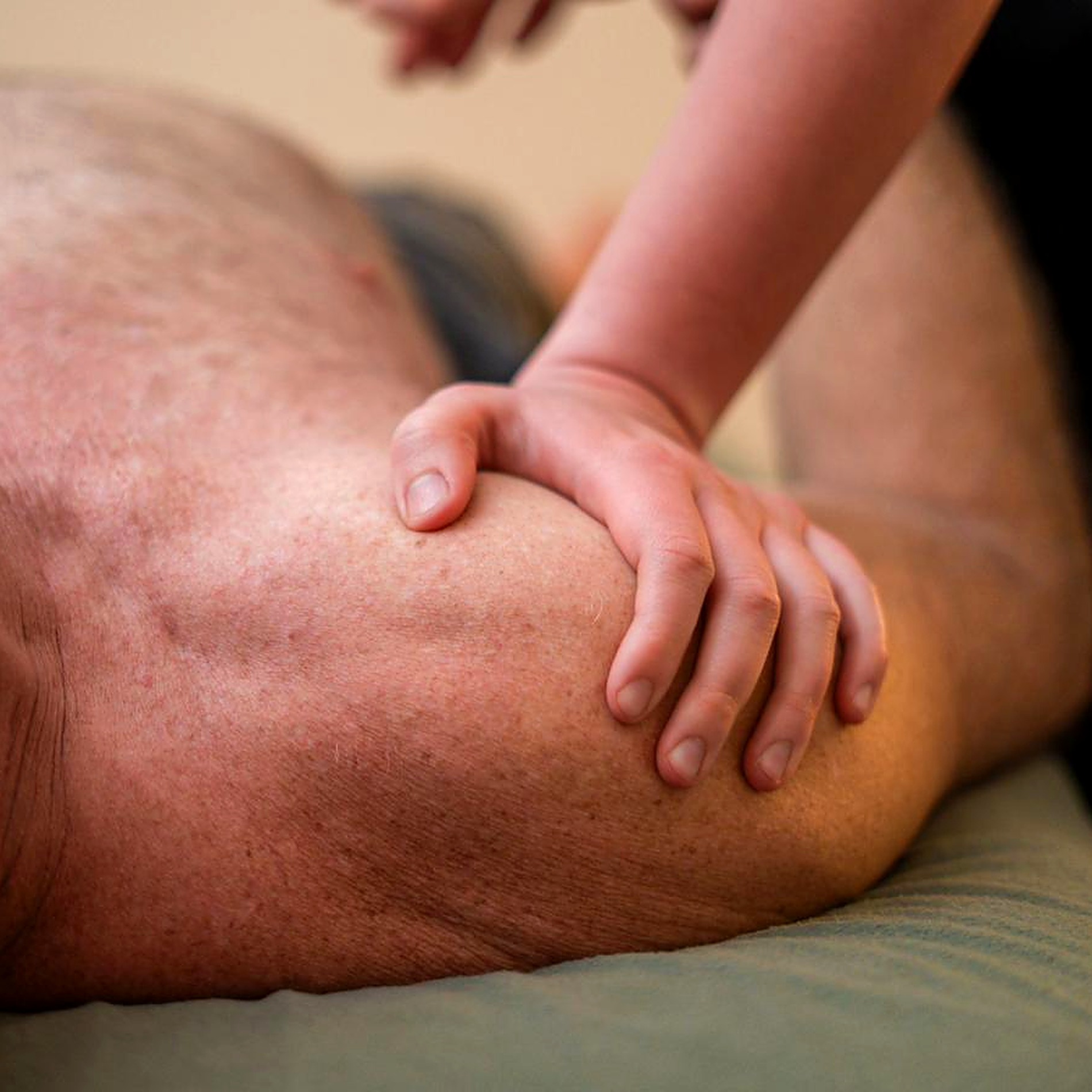
Neuromuscular therapy is a clinical soft tissue technique that works at the intersection of the muscular and nervous systems. Where general massage works broadly across tissue, NMT works precisely — identifying specific areas of dysfunction in the muscle, tendon, and connective tissue and applying targeted pressure to interrupt pain cycles, release trigger points, and restore normal neuromuscular function. If you have pain that keeps coming back in the same spot, moves around, or doesn’t respond to general treatment, there is often a neuromuscular pattern driving it. That is exactly what this work is designed to address.
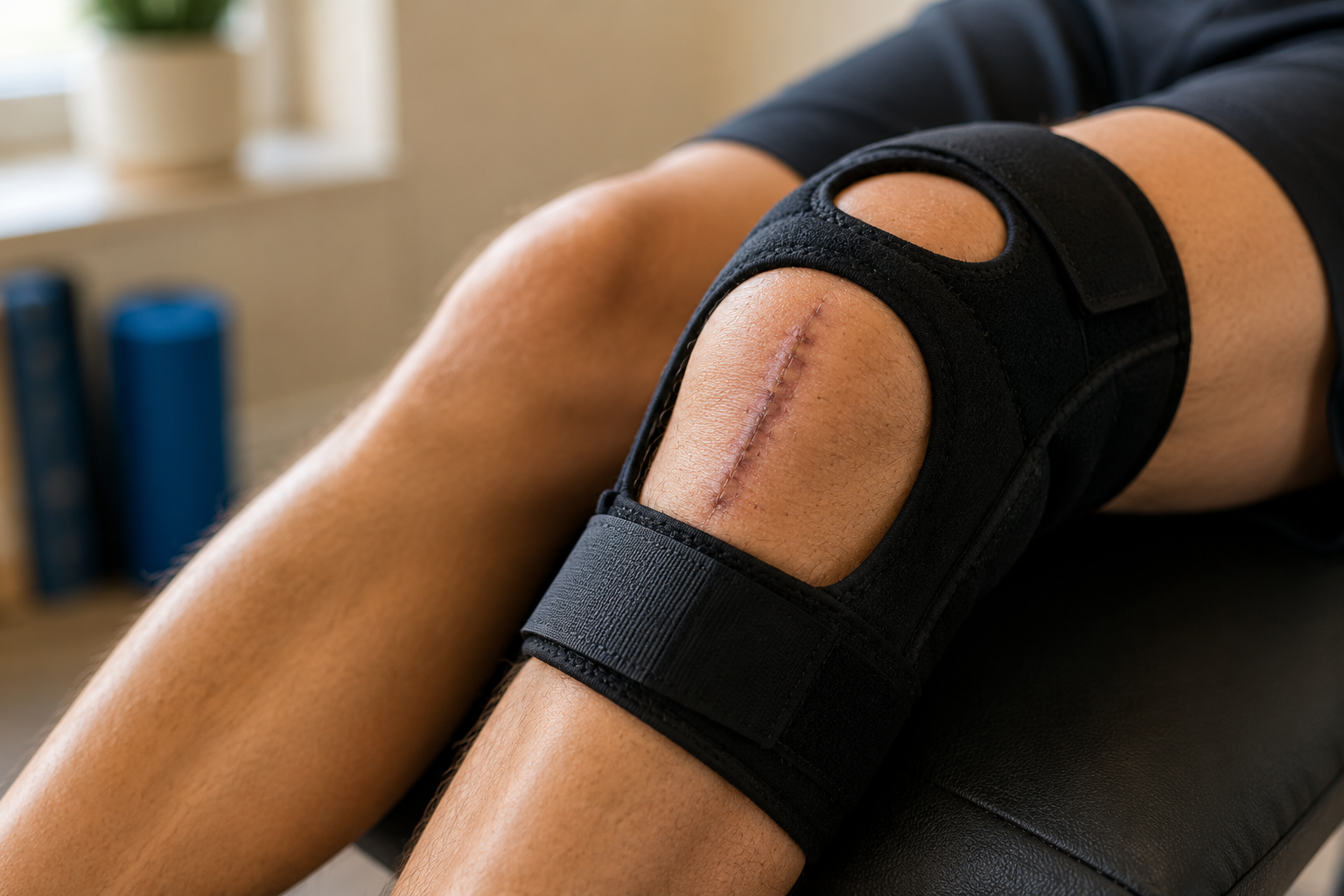
Orthopedic massage is a clinical approach to soft tissue therapy that integrates assessment, anatomy, and targeted manual techniques to address musculoskeletal pain and dysfunction. Where general massage works broadly across the body, orthopedic massage begins with evaluation — identifying the specific structures involved, understanding the mechanics of the problem, and then applying the most appropriate techniques to address it directly. This is structured, outcome-focused work built around a clear understanding of how the body moves, where it is failing to move well, and why. At Body Heal, orthopedic massage is the foundation of how our clinical therapists think and work — assessment first, treatment second, always with a clear rationale for what we are doing and why.
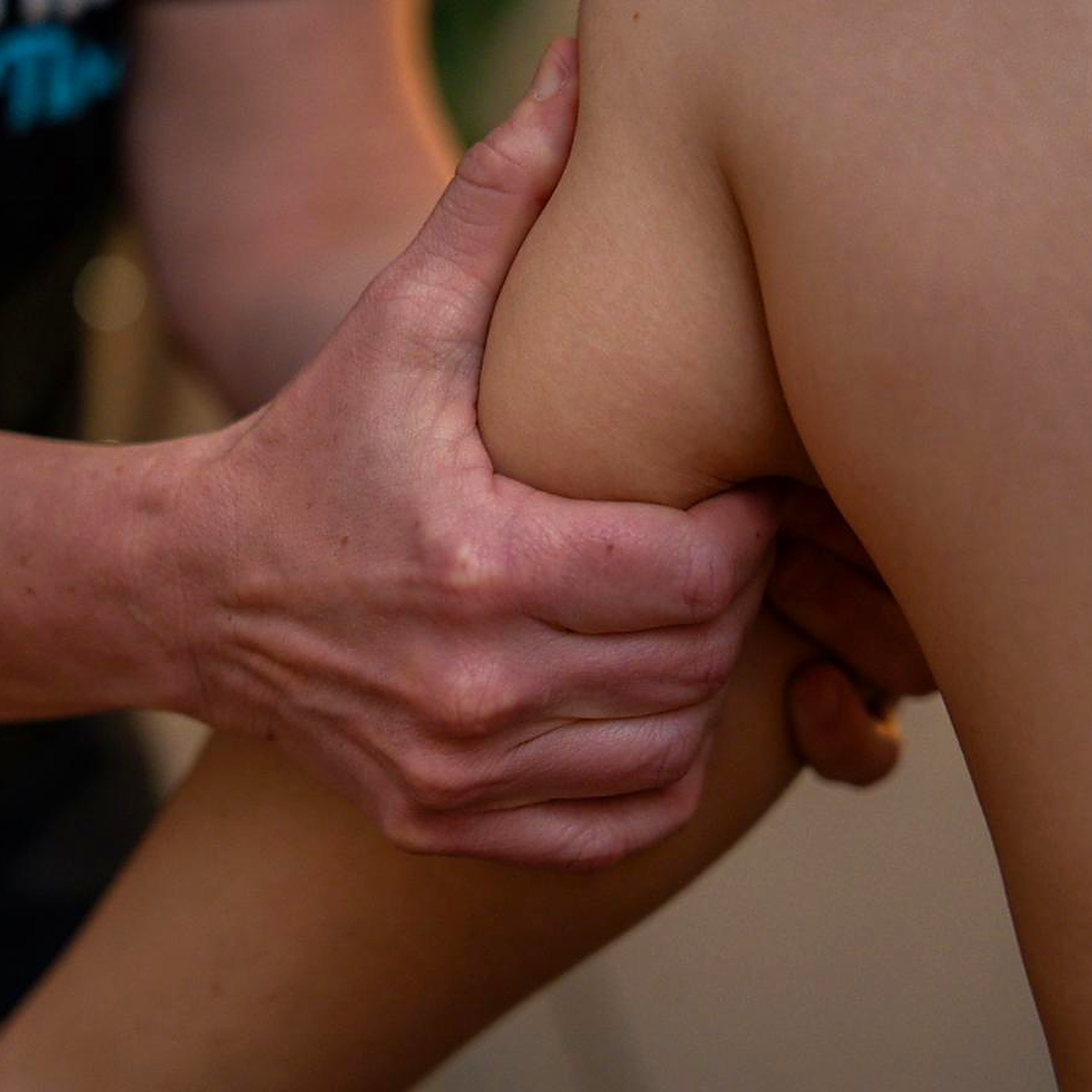
Trigger point therapy is a targeted soft tissue technique that focuses on hyperirritable spots within muscle tissue — commonly known as knots — that cause localized pain, referred sensation, and restricted movement. These trigger points develop through overuse, injury, postural strain, and stress, and they can remain active for months or years if left untreated. Using precise, sustained pressure directly on the trigger point, your therapist works to deactivate the point, restore circulation to the area, and break the pain cycle that keeps the muscle locked in a guarded state. The results are often immediate and noticeable — both in the area being worked and in areas where the pain was referring.
TMJ massage is targeted work for the jaw joint and the muscles that influence jaw function. It can include external work around the jaw, neck, and head, and in some cases intraoral work with clear consent. The goal is to reduce jaw tension patterns and the strain they create.
We can when it is appropriate and only with clear consent. Many clients get meaningful relief from external work alone. We will explain options and you stay in control.
Many people notice jaw tightness, clenching, clicking, facial tension, and headaches that seem connected to stress and posture. We do not diagnose, but we can address the soft tissue component and patterns that contribute. If you have dental guidance, we respect that context.
It is precise and can feel tender because jaw muscles are often overworked. We pace it carefully and communicate throughout. Most clients leave feeling lighter through the jaw and neck.
Some people feel a shift in one session, and others benefit from a short series, especially when clenching is ongoing. Consistency and nervous system support often help results hold longer. We will recommend spacing based on your response.