Assisted Stretching

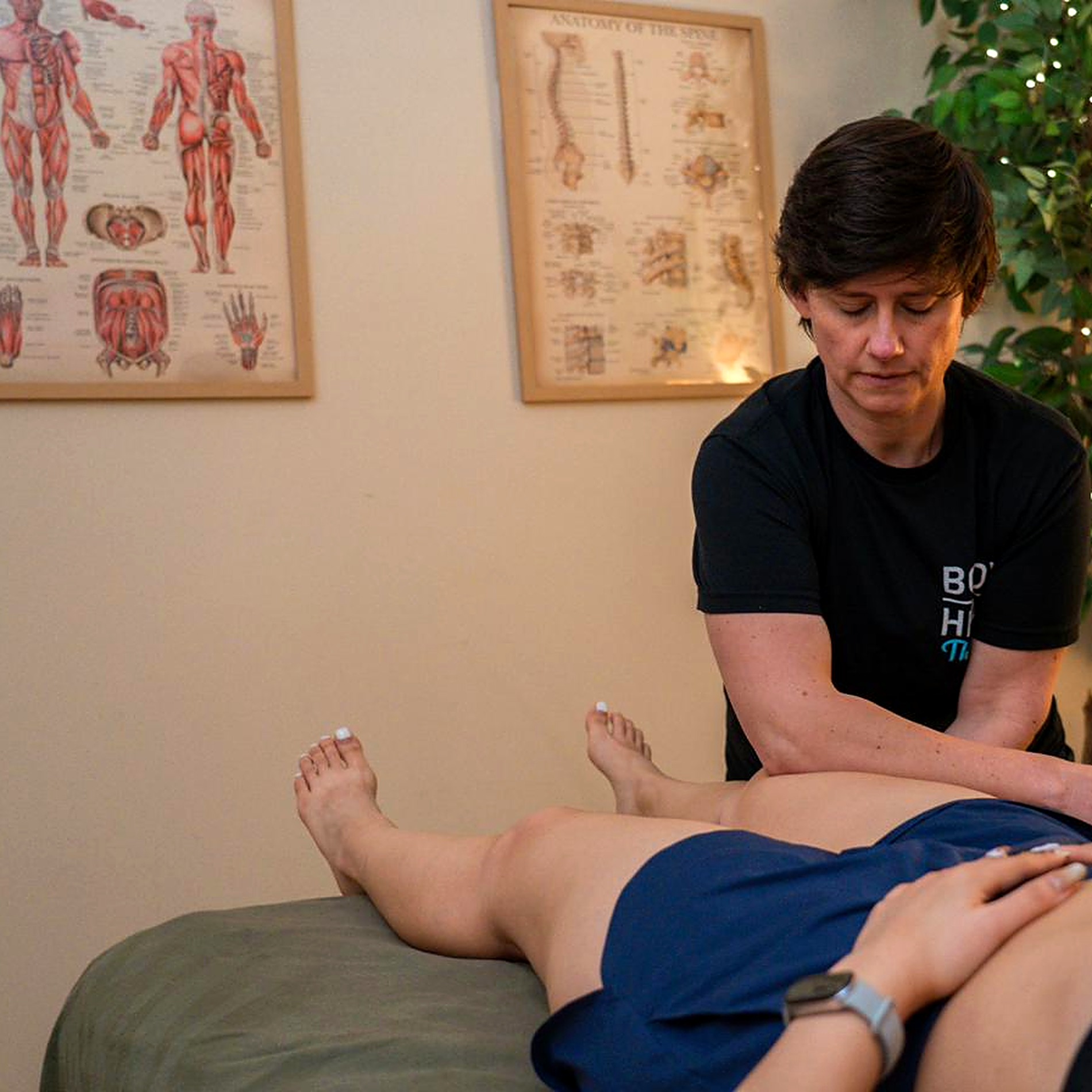
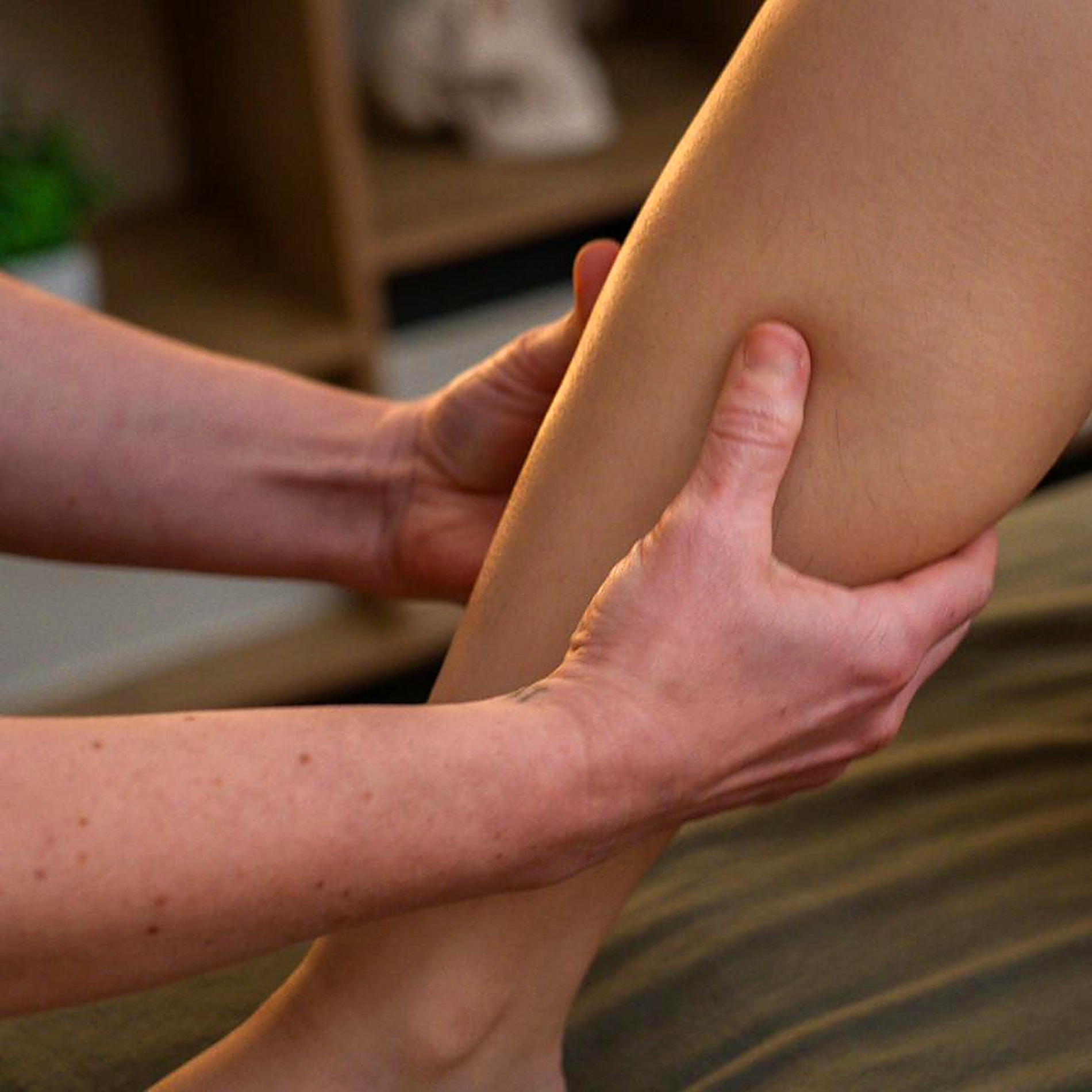
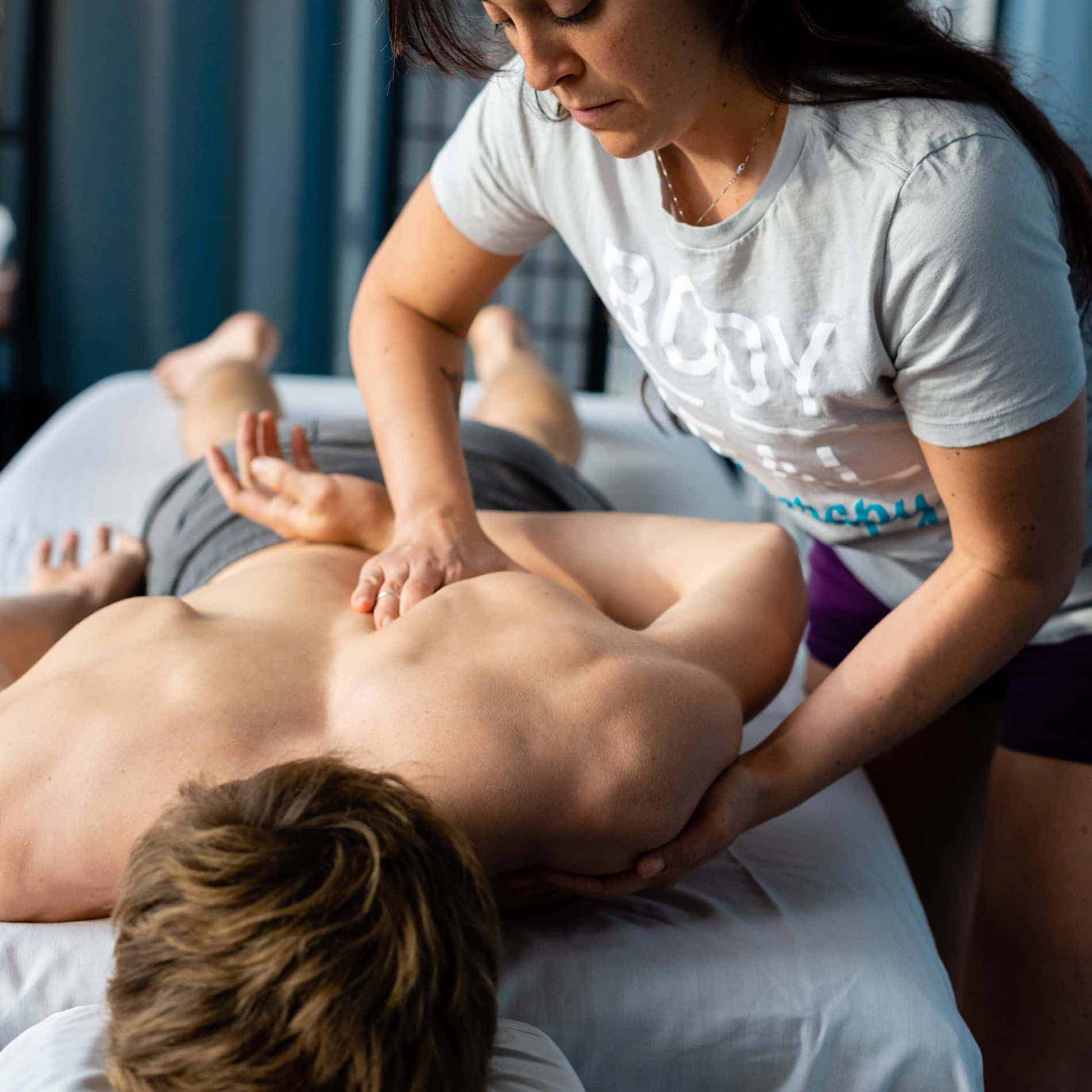
Assisted stretching is a hands-on technique where your therapist guides and supports each stretch to improve flexibility, mobility, and movement quality. At Body Heal, it is used as a clinical tool to restore range of motion, address specific movement restrictions, and support athletic performance and recovery.

What is Assisted Stretching

Assisted stretching is a hands-on approach to improving flexibility, mobility, and movement quality — where your therapist actively guides and supports each stretch rather than leaving you to work alone on a mat. While self-stretching has value, it is limited by what you can reach, what you can feel, and how well you can relax into a position while simultaneously holding it. Assisted stretching removes those limitations — your therapist positions, supports, and guides each movement with precision, allowing you to achieve greater range of motion, more complete muscle release, and more targeted work than independent stretching allows. At Body Heal, assisted stretching is a clinical tool used to restore mobility, address specific movement restrictions, and support athletic performance and recovery — not a passive luxury but an active, productive component of your care.

How Assisted Stretching Works

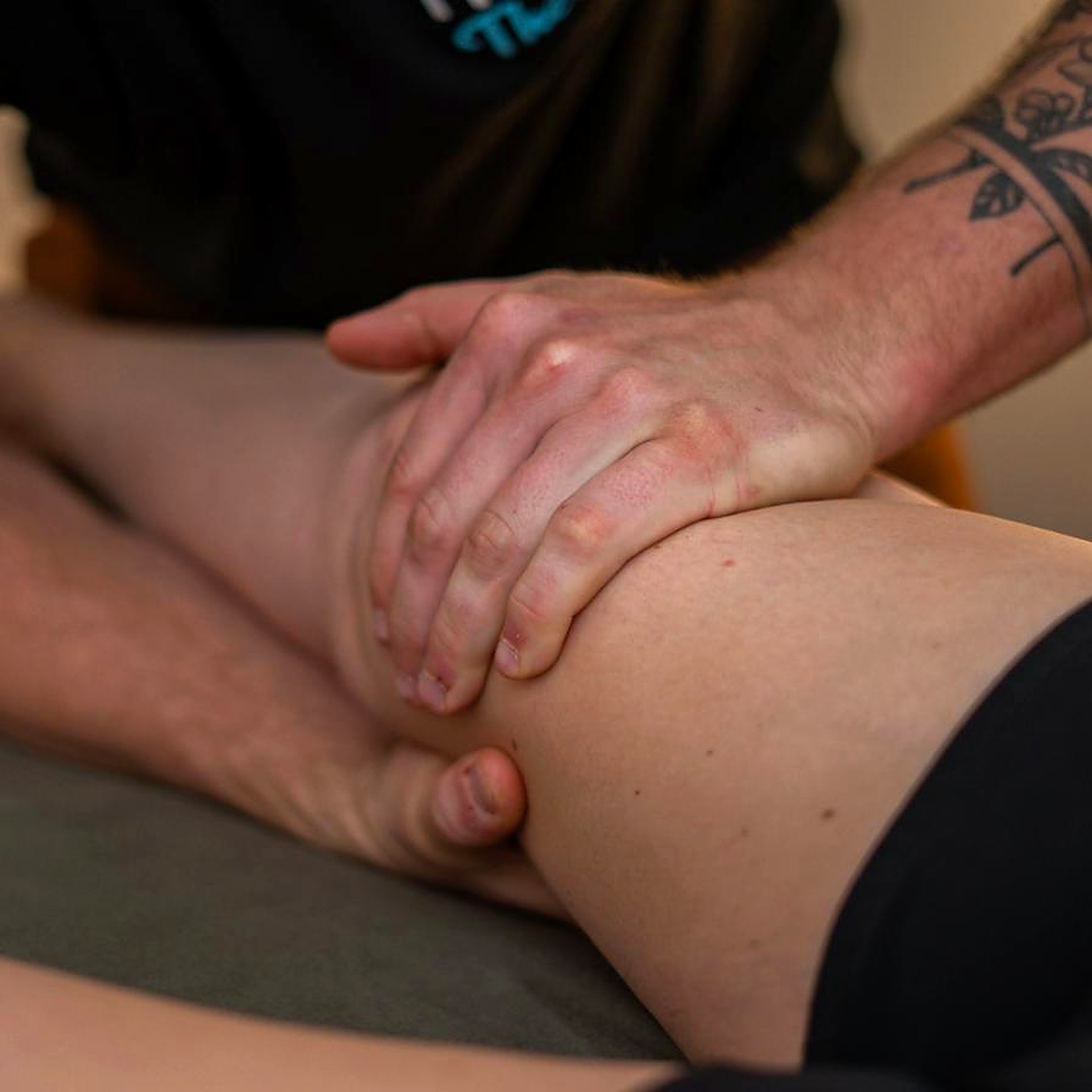
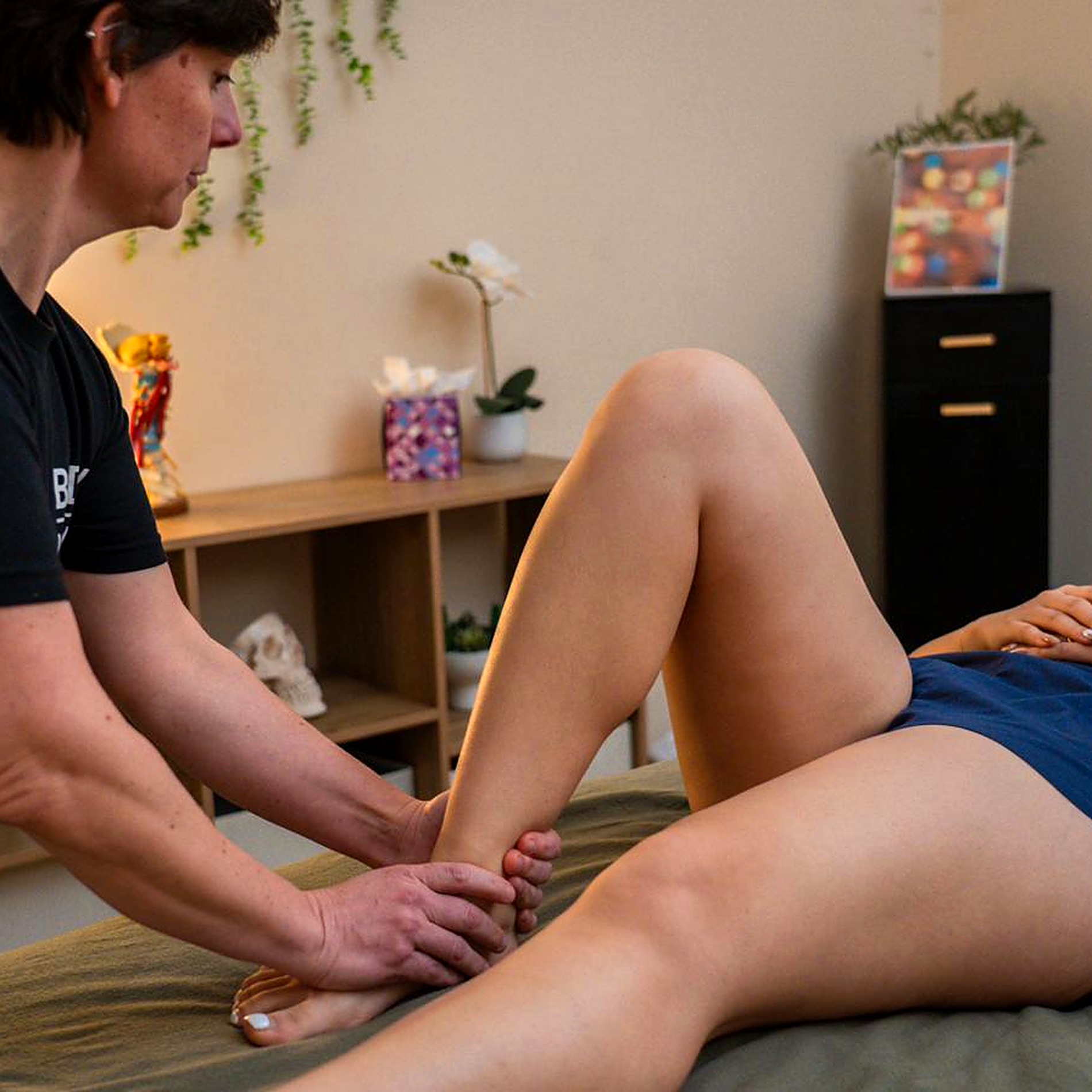
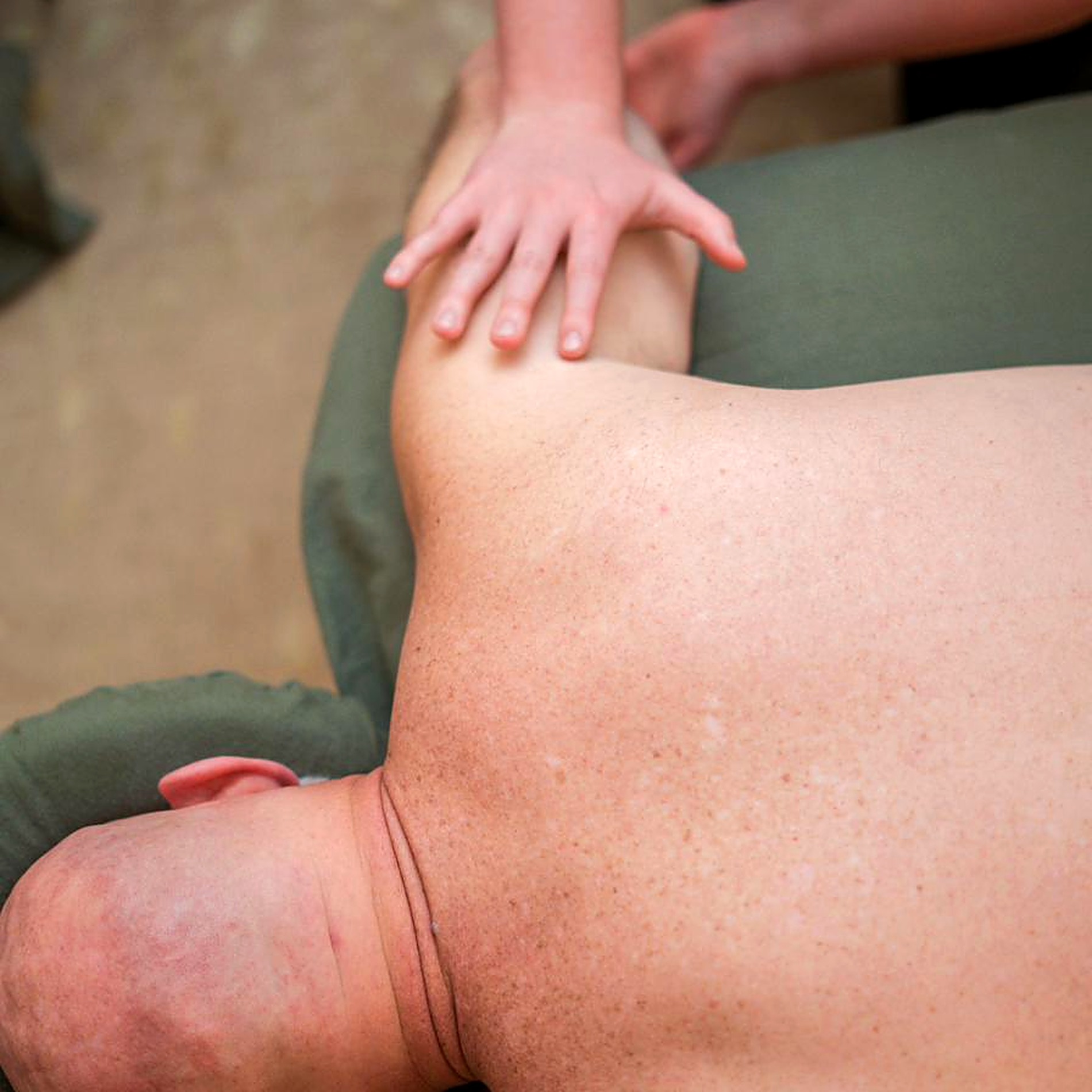
Your therapist positions your body to isolate the target muscle or movement pattern, then guides the stretch through a controlled range — holding, progressing, and adjusting based on your tissue response and feedback. Depending on your goals and presentation, the session may incorporate static assisted stretching, dynamic movement patterns, or active participation techniques like PNF and AIS where your muscle engagement enhances the depth and quality of the release. The work is communicative throughout — your comfort, your breath, and your response guide every movement.

Achieves Greater Range of Motion Than Self-Stretching

When you stretch independently, the muscles responsible for holding the position are also the ones being stretched — creating a built-in limitation. Assisted stretching bypasses that limitation by having your therapist provide the support and positioning, allowing the target muscles to fully release without the competing demand of holding yourself in place. The result is consistently greater depth, better isolation, and more meaningful mobility gains.

Targets Specific Restrictions With Precision

General stretching works broadly. Assisted stretching works specifically — your therapist can isolate individual muscles, address asymmetries between sides, and progressively work through the layers of restriction in a sequence that self-stretching cannot replicate. For clients with specific movement limitations, tight hip flexors, restricted thoracic rotation, or shoulder mobility deficits, this precision makes a significant difference in both the speed and quality of results.

Supports Athletic Performance and Movement Efficiency

Restricted mobility is one of the most consistent performance limiters for athletes — it reduces power output, compromises movement mechanics, and increases injury risk under load. Regular assisted stretching addresses those restrictions systematically, improving the range of motion available in the movements that matter for your sport and restoring the movement efficiency that restricted tissue takes away.

Accelerates Recovery and Reduces Soreness

Muscles that have been worked hard shorten and tighten as part of the recovery process — and that shortening, if left unaddressed, compounds across training sessions. Assisted stretching during the recovery window helps restore tissue length, reduce soreness, and return the body to a mobile and responsive baseline faster than passive rest alone — keeping the body ready for the next training demand.

Who Is Assisted Stretching For?

Assisted stretching is appropriate for a wide range of clients — from competitive athletes managing training load and mobility demands to desk workers whose posture and movement patterns have created chronic tightness over time. It is particularly valuable for athletes in sports with high flexibility and mobility demands — runners, cyclists, swimmers, and team sport athletes; clients managing hip flexor, hamstring, thoracic, and shoulder restrictions that limit both performance and daily comfort; individuals recovering from injury whose range of motion has not fully returned; and older active adults whose tissue has lost elasticity and responsiveness over time. At Body Heal, assisted stretching is integrated within Sports Massage and Deep Tissue sessions and can also be the primary focus of a session when mobility restoration is the main goal.

Our Related Sub Services

Ready for a Calmer, More Balanced Body?

❓ Frequently Asked Questions

Assisted stretching is therapist guided mobility work where we position and support your body so you can relax into a stretch more fully. It allows better isolation and often greater range of motion than stretching alone. We use it as a clinical tool, not a passive add on.

It is great for tight hips, hamstrings, calves, shoulders, and thoracic rotation limits. It also helps active bodies who want better movement efficiency and recovery. Desk bodies benefit too, especially when posture has created chronic tightness.

Sometimes yes, depending on the technique used. We may use gentle passive stretching or active methods like AIS or PNF. We guide you clearly, and you stay in control.

We use it when mobility is the limiter, not just soreness. It pairs well with soft tissue work because improved tissue glide often makes stretching more effective. Many clients leave feeling more open and more coordinated.

Assisted Stretching can help improve flexibility, mobility, and range of motion by allowing your therapist to guide the stretch with better positioning, support, and control than most people can achieve on their own. It is especially helpful when tight muscles, restricted movement, or recurring tension are limiting how comfortably and efficiently your body moves.