Deep Swedish Massage

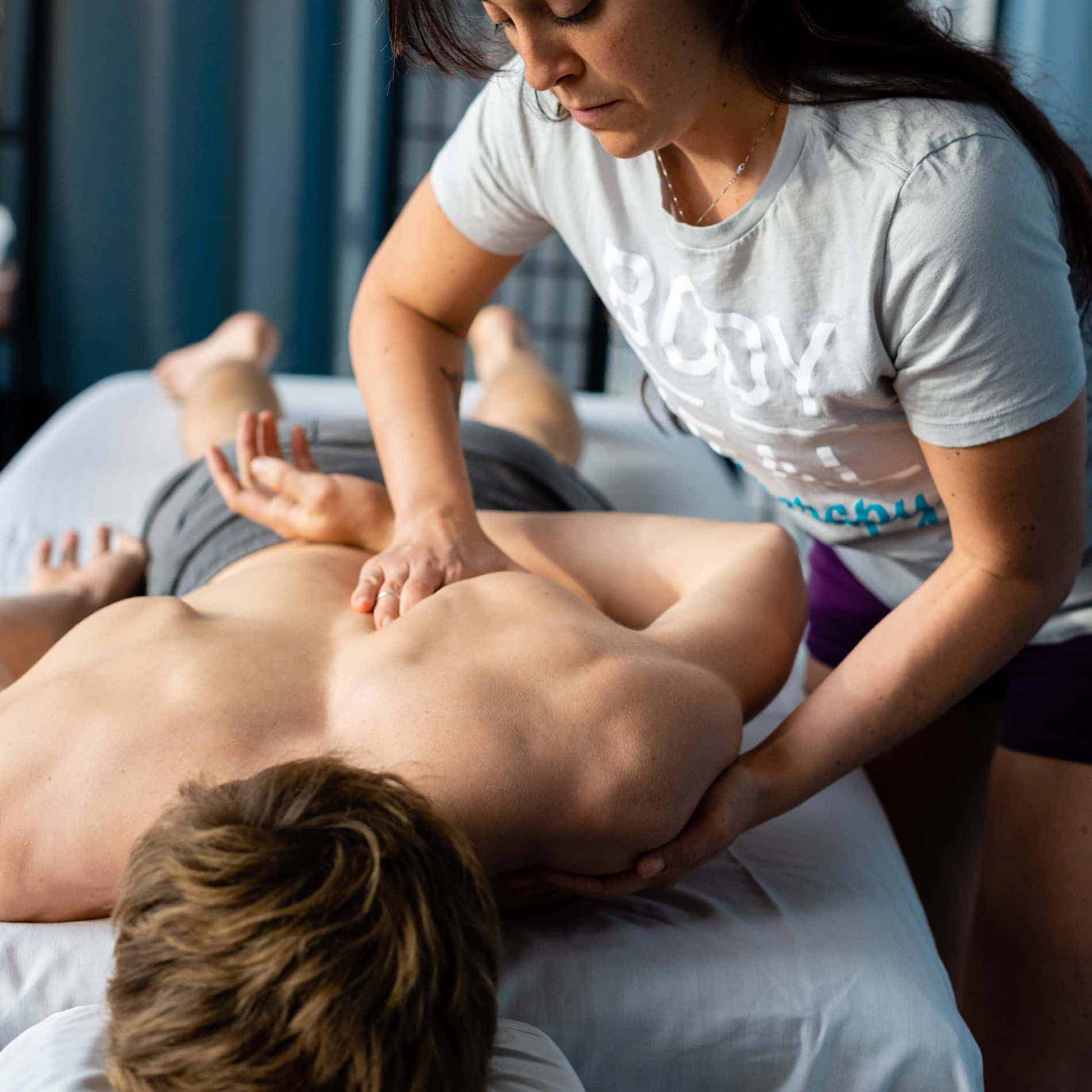
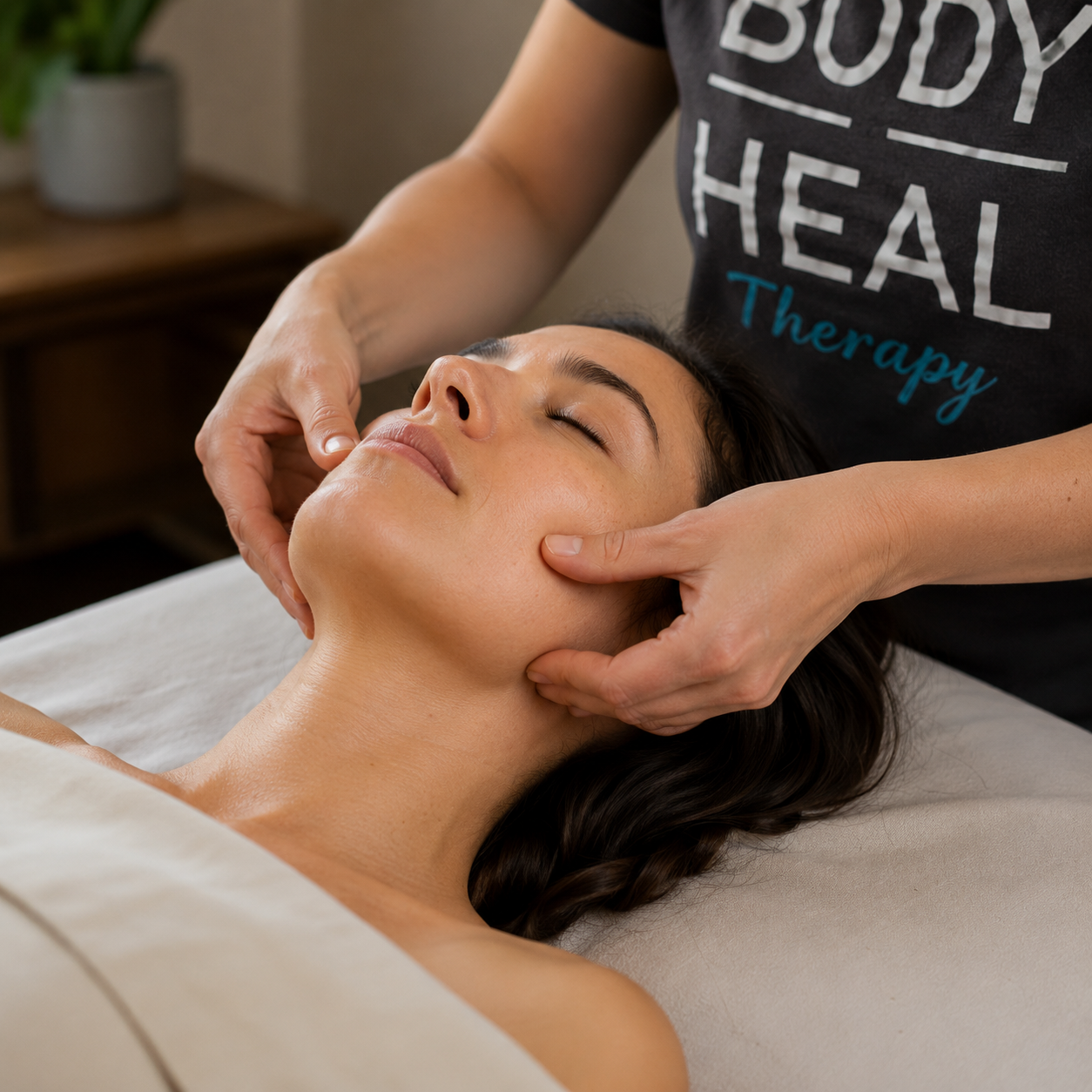
Deep Swedish Massage uses the classic Swedish massage strokes with greater depth, slower pacing, and more therapeutic intention than a standard relaxation massage. At Body Heal, it is ideal for clients who want deeper, whole-body tension relief and improved tissue quality without the focused intensity of clinical deep tissue or orthopedic bodywork.

What is Deep Swedish Massage

Deep Swedish Massage is the foundation of therapeutic bodywork — the classic five-stroke system of effleurage, petrissage, friction, tapotement, and vibration applied with greater depth, slower pace, and more deliberate intention than a standard relaxation massage. Where a traditional Swedish session works primarily on the surface of the tissue to promote relaxation and circulation, Deep Swedish brings those same strokes into the deeper layers of muscle — addressing tension, improving tissue quality, and producing meaningful therapeutic change without the focused intensity of clinical deep tissue work. At Body Heal, Deep Swedish is the entry point for clients who want more than a relaxation massage but are not ready for or interested in the targeted clinical work of our Bodywork or orthopedic sessions. It is thorough, intentional, and deeply effective — work that meets the whole body rather than a single problem.

How Deep Swedish Massage Works

Deep Swedish uses the five classical strokes of Swedish massage applied with progressively deeper pressure and a slower, more deliberate pace — allowing the tissue to warm and soften before deeper layers are engaged. Effleurage opens and closes the session with long, gliding strokes that improve circulation and prepare the tissue. Petrissage kneads and lifts the muscle to improve tissue mobility and venous return. Friction breaks down adhesions and addresses specific areas of tension. Tapotement stimulates the nervous system and increases local circulation. Vibration releases residual tension and encourages the tissue to settle. Together these strokes create a comprehensive, full-body session that is both deeply therapeutic and profoundly relaxing.

Addresses the Whole Body Comprehensively

Deep Swedish massage covers the entire body in a single session — working through all the major muscle groups in a logical sequence that addresses tension wherever it lives rather than focusing on a single region. For clients whose tension is distributed broadly — the result of stress, postural load, physical activity, or simply the accumulated weight of daily life — this comprehensive coverage produces a quality of whole-body release that targeted work alone cannot replicate.

Improves Circulation and Tissue Health

The long, flowing strokes of Deep Swedish are among the most effective manual techniques for improving circulation — driving blood and lymphatic fluid through the tissue, flushing metabolic waste, and delivering fresh oxygen and nutrients to muscles that have been working under load. Regular Deep Swedish sessions improve tissue quality throughout the body — keeping muscles pliable, well-circulated, and less prone to the tension and restriction that accumulate with physical and postural demand.

Calms the Nervous System Deeply and Durably

The rhythmic, full-body nature of Deep Swedish massage has a pronounced and lasting effect on the nervous system — signaling a shift from sympathetic activation toward the parasympathetic rest-and-recover state where the most important physiological repair and restoration happens. Clients who receive Deep Swedish regularly report improvements in sleep quality, stress resilience, and overall sense of physical ease that extend well beyond the session itself — the nervous system benefits compound over time with consistent work.

Provides the Foundation for Deeper Clinical Work

Deep Swedish is not just a standalone service — it is also the essential preparation for deeper clinical work. The warming, softening, and circulation-driving effects of Swedish strokes prepare the tissue to receive deeper pressure without resistance or discomfort, making it the standard opening sequence for Deep Tissue, Bodywork, and clinical sessions. Understanding and receiving quality Deep Swedish work gives both the therapist and the client a clear baseline reading of the tissue — where it is holding, where it moves freely, and where focused attention is needed.

Who Is Deep Swedish Massage For?

Deep Swedish massage is appropriate for a broad range of clients — from those seeking their first therapeutic massage experience to experienced clients who want thorough, full-body work as a regular part of their wellness and recovery routine. It is particularly well suited for clients managing generalized tension and stress that is distributed throughout the body rather than localized to a specific region; active adults and athletes who want comprehensive recovery and tissue maintenance between more targeted clinical sessions; clients who find purely clinical or deep tissue work too intense and want

Our Related Sub Services

Ready for a Calmer, More Balanced Body?

❓ Frequently Asked Questions

Deep Swedish Massage is a full body, flowing style of therapeutic massage that uses classic strokes with slower pace and more depth. It is designed to improve circulation, soften broad tension, and help the body settle without the intensity of highly targeted deep work.

It can feel relaxing, but it is still therapeutic and intentional. We use it to warm tissue, improve mobility, and create meaningful change, not just to make the hour feel nice.

 It is a great fit when your tension is spread throughout your body and you want comprehensive work. It is also a strong choice if you want deeper pressure but prefer a smoother, more continuous style.

Most people feel looser and calmer, and mild soreness is possible if the tissue was very tight. We pace the depth based on your response so you leave feeling better, not beat up.

We often use Swedish based strokes early in a session to prepare the tissue so deeper techniques land better. It helps the body soften first, which makes more focused work more effective.