Deep Tissue Compression

Deep tissue compression is a targeted manual therapy technique that uses sustained, direct pressure to help release guarded, dense, or chronically restricted muscle tissue. At Body Heal, it is used within Deep Tissue and Bodywork sessions when stubborn areas respond better to focused, held pressure than to gliding or movement-based techniques.

What is Deep Tissue Compression

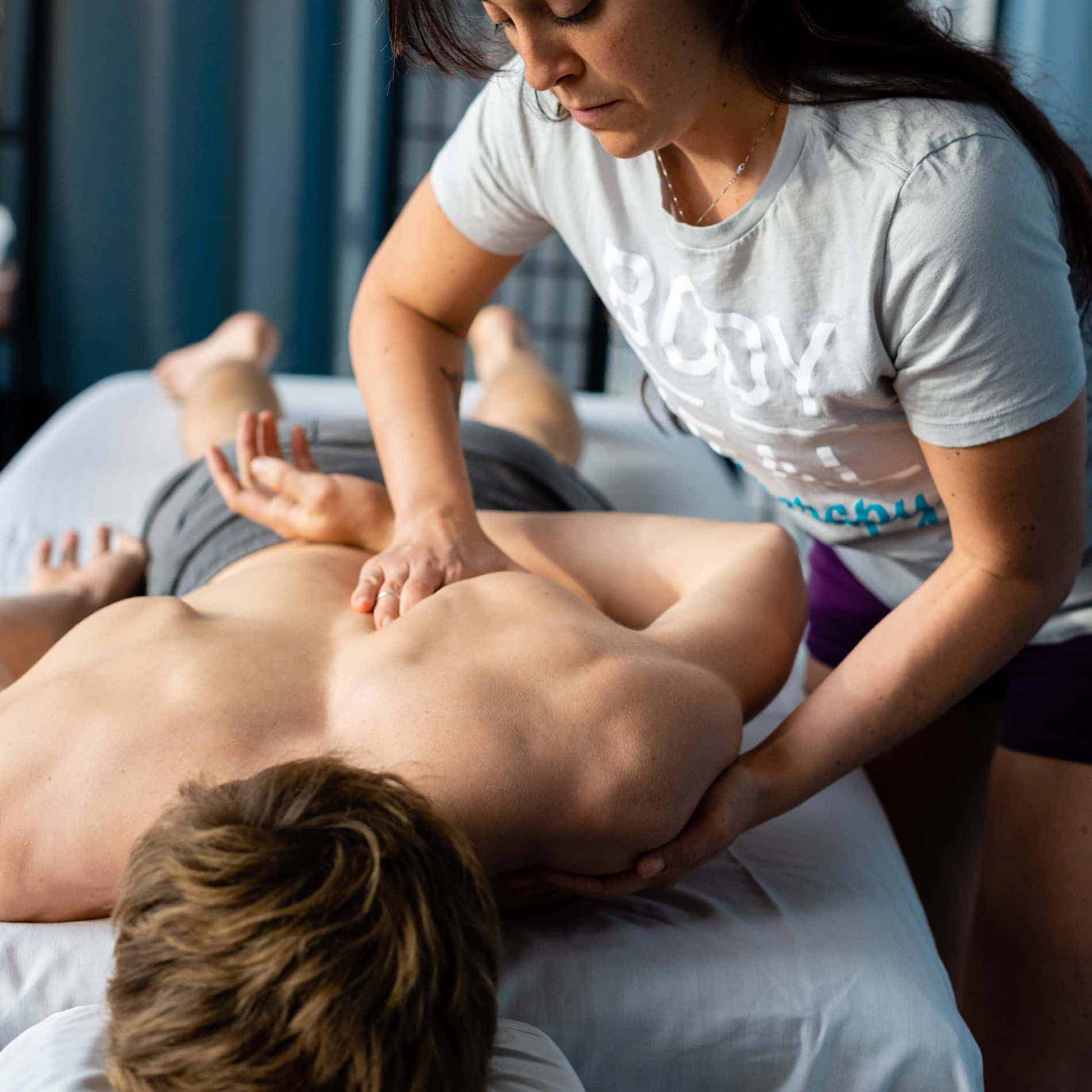
Deep tissue compression is a targeted manual therapy technique that uses sustained, direct pressure applied perpendicular to the muscle — compressing the tissue against the underlying bone to create a specific therapeutic effect. Unlike the gliding strokes of Swedish-based deep tissue work, compression stays in one place, holding sustained pressure long enough for the nervous system to respond, the muscle to release its guarding, and the deeper layers of tissue to soften and open. It is precise, deliberate work — the therapist uses the thumb, elbow, forearm, or palm to apply controlled pressure to specific areas of hypertonicity, adhesion, or chronic holding, staying with the tissue through its release rather than moving across it. At Body Heal, deep tissue compression is used within Deep Tissue and Bodywork sessions as a targeted tool for areas of dense, stubborn restriction that respond better to sustained direct pressure than to movement-based techniques.

How Deep Tissue Compression Works

The therapist identifies the target area through palpation — a dense, hypertonic region of muscle that is holding more tension than the surrounding tissue. Sustained pressure is then applied directly into that area, calibrated to the depth and tolerance of the tissue, and held while the therapist monitors the tissue response. As the muscle receives the pressure signal, the nervous system begins to downregulate the holding pattern — the tissue softens, blood flow increases, and the compressed area releases. The pressure is then slowly released and broadening strokes are applied to restore circulation and integrate the change. Client feedback throughout is essential — the pressure should feel productive and deliberate, never sharp or intolerable.

Reaches Dense Restriction That Gliding Strokes Cannot Fully Address

Some areas of chronic tension are so dense and layered that movement-based techniques slide over them rather than penetrating through them. Deep tissue compression addresses this directly — by staying in one place and applying sustained perpendicular pressure, the technique engages with the restriction rather than moving around it, creating the kind of direct mechanical and neurological effect that produces meaningful release in the most stubborn areas of chronic holding.

Engages the Nervous System to Release Chronic Guarding

Chronic muscle tension is maintained by the nervous system as much as by the tissue itself — the muscle has learned to stay contracted as a protective response and continues that pattern even when the original cause is long gone. Sustained compression sends a clear, sustained signal to the nervous system that the area is safe to release — holding the pressure long enough for the nervous system to downregulate the guarding and allow the tissue to let go at a deeper level than brief or moving pressure achieves.

Improves Local Circulation and Tissue Hydration

When sustained pressure is applied to a hypertonic area it temporarily reduces local blood flow — and when that pressure is released, a reactive hyperemia follows — a significant increase in blood flow to the area that flushes metabolic waste, delivers fresh oxygen and nutrients, and supports tissue rehydration. This ischemic compression and release cycle is one of the primary mechanisms through which deep tissue compression improves the health and quality of chronically restricted tissue.

Precisely Targets the Most Loaded Areas of the Body

Deep tissue compression is particularly effective in the areas of the body that carry the most sustained load — the gluteal complex, the thoracic erectors, the upper trapezius, the hip flexors, and the deep cervical musculature — where dense, layered holding patterns are the norm rather than the exception. The precision of the technique allows the therapist to work directly in the core of those holding patterns rather than around their edges, producing the kind of targeted release that clients who carry significant physical load consistently describe as the most impactful work they receive.

Who Is Deep Tissue Compression For?

Deep tissue compression is a strong fit for clients whose tension is dense, deep, and stubborn — those who have received massage regularly and feel that the work has been moving over their restrictions rather than through them. It is particularly effective for clients carrying significant physical load from athletic training, physically demanding work, or prolonged postural strain; those with chronic tension in the glutes, hips, low back, and upper back that has not fully released with lighter or movement-based techniques; and clients who respond well to sustained direct pressure and find that the “stay and hold” approach produces a quality of release that gliding work alone does not achieve. At Body Heal, deep tissue compression is integrated within Deep Tissue and Bodywork sessions when palpation identifies dense, hypertonic tissue as the primary driver of the client’s pattern — always applied with precise pressure calibration and clear communication to ensure the work stays within a productive and comfortable range.

Our Related Sub Services

Ready for a Calmer, More Balanced Body?

❓ Frequently Asked Questions

Deep tissue compression uses steady, sustained pressure in one place to help dense areas of muscle let go. Instead of gliding over the tissue, we stay with the restriction long enough for the nervous system to release guarding.

Not necessarily. It should feel strong and productive, but always tolerable. We communicate throughout and adjust depth so your body stays responsive rather than protective.

Compression is especially helpful for stubborn spots that feel thick, layered, or stuck, where gliding strokes do not reach the deeper holding pattern. It is a good option for hips, glutes, low back, and upper back tension that keeps returning.

Many people feel immediate softening and more mobility in the area, and sometimes a workout style tenderness later that day. Gentle movement and hydration can help the change integrate.

Some people notice a shift right away, and others need a few sessions for deeper patterns. If the area has been holding tension for a long time, consistency usually helps the most.